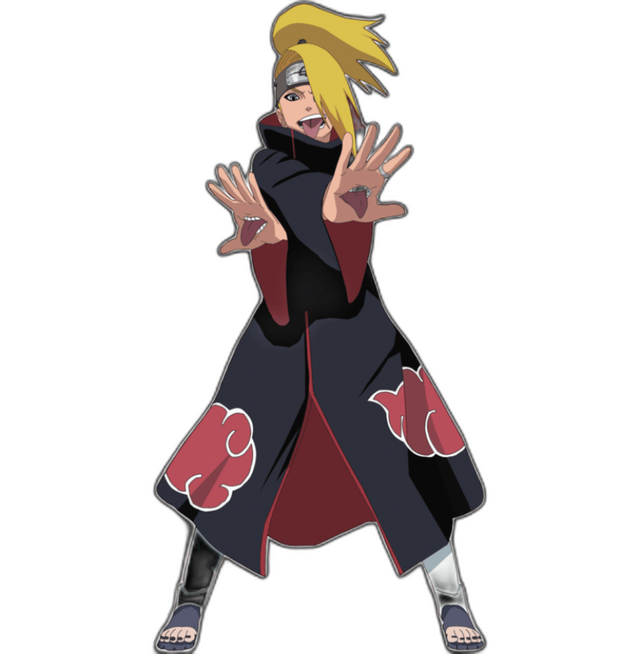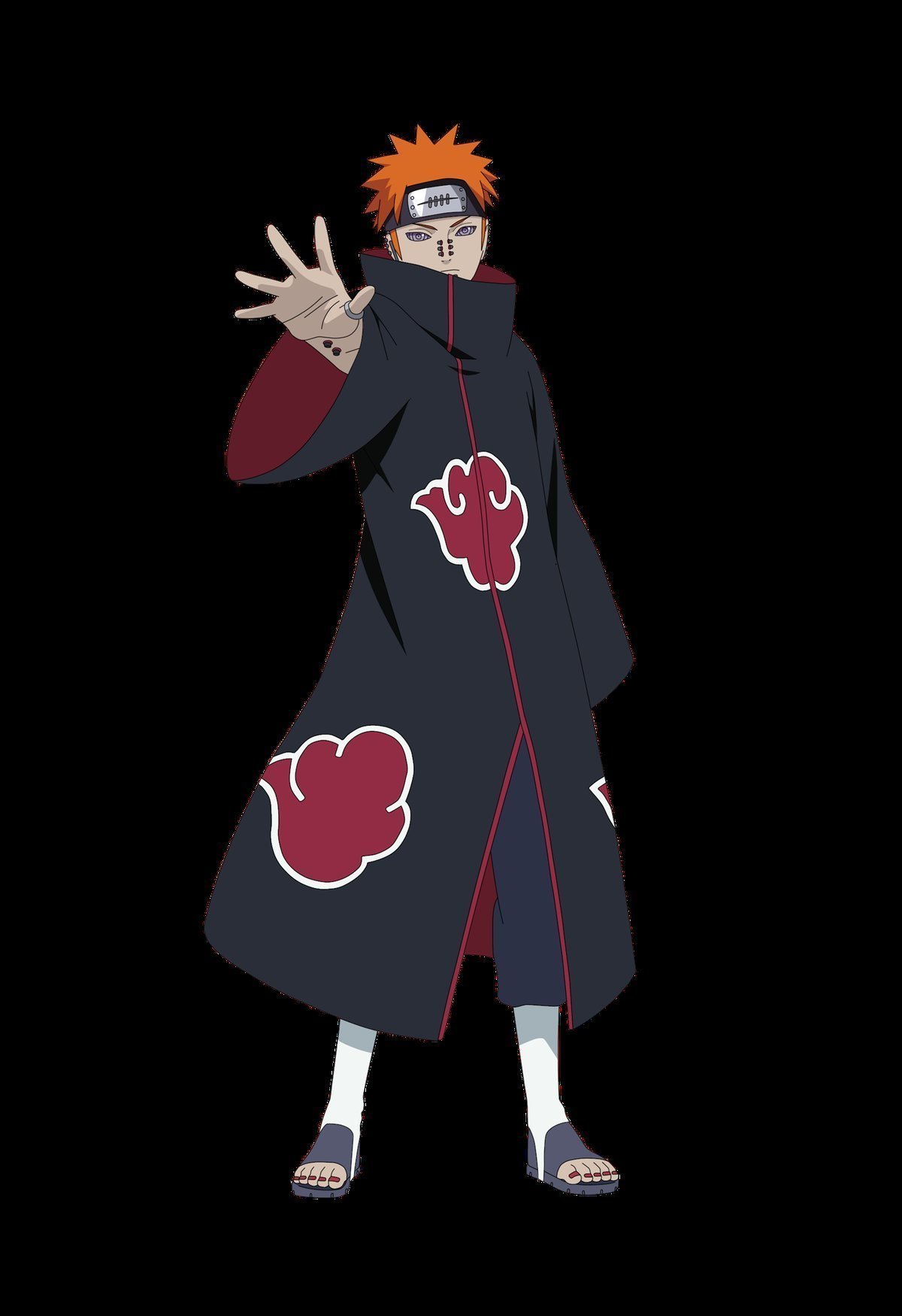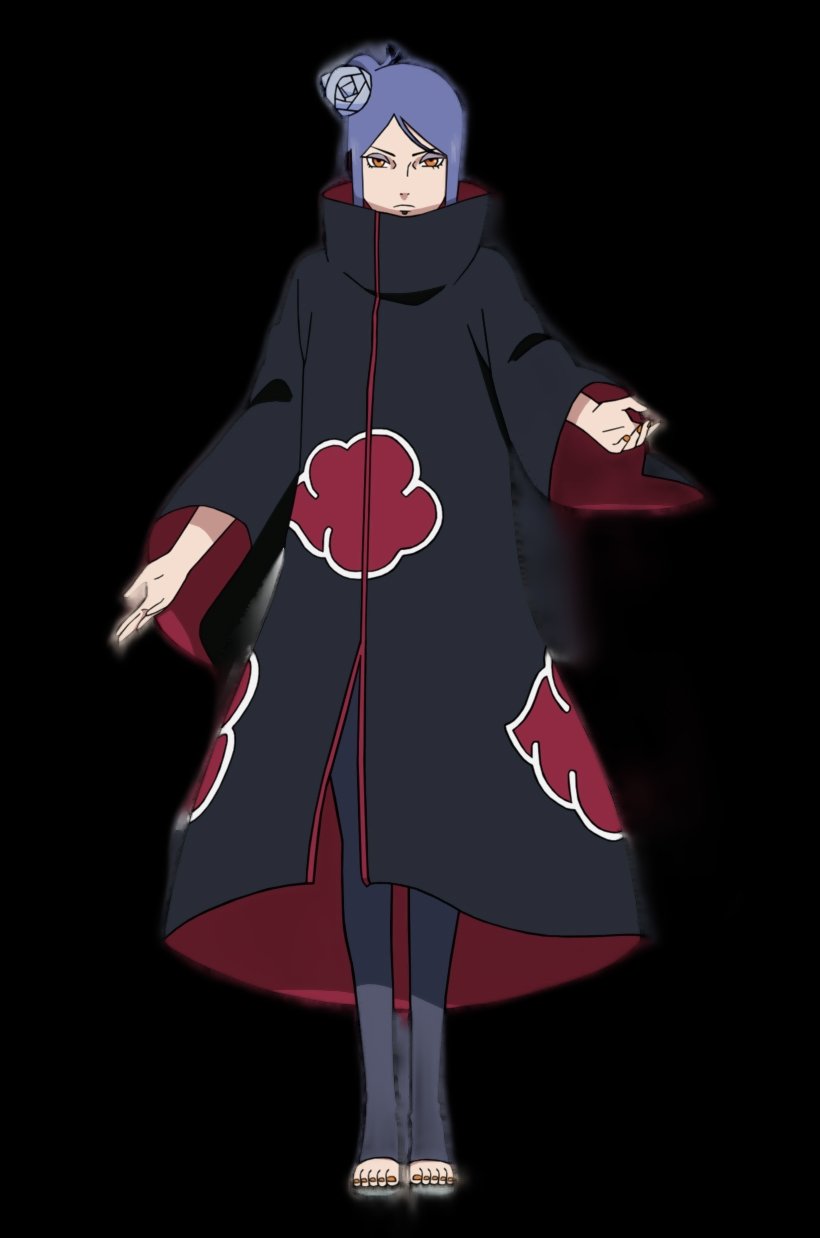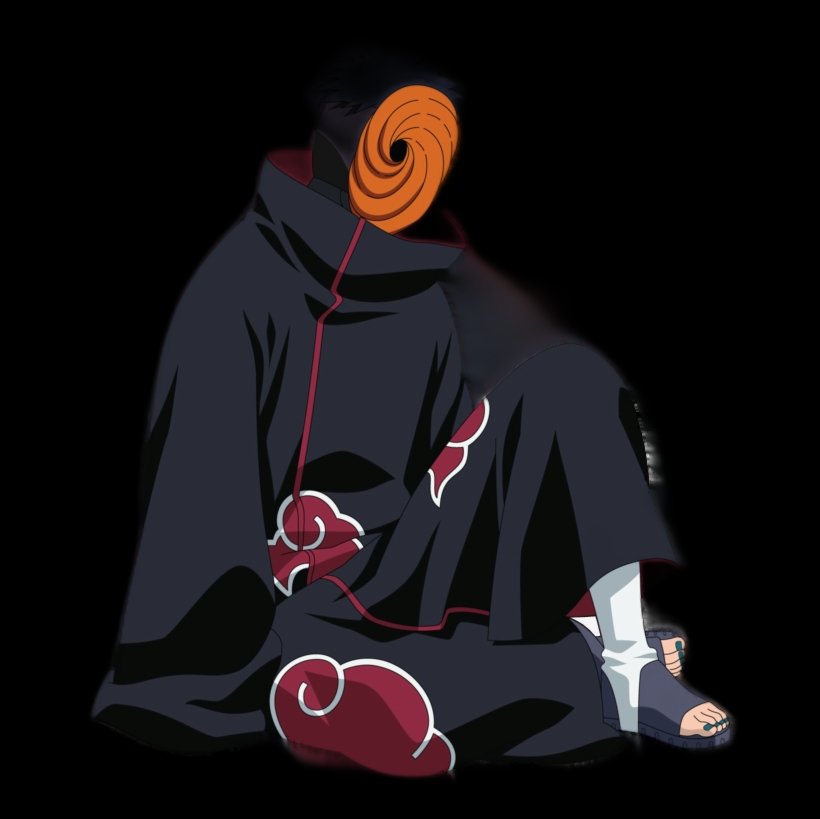
| Alias | Masked Man, Madara Uchiha (claimed), Tobi-senpai |
| True Identity | Obito Uchiha |
| Classification | Akatsuki Leader, Jinchuriki (Ten-Tails) |
| Affiliation | Akatsuki, Konohagakure (formerly) |
| Height | 175 cm (5'9") |
| Weight | 58.5 kg (129 lbs) |
| Kekkei Genkai | Sharingan, Mangekyo Sharingan (Kamui) |
| Nature Types | Fire Release, Wind Release, Lightning Release, Wood Release |
| Mask Types | Orange Spiral, Red Cloud, White |
| Jinchuriki | Ten-Tails (became the second Jinchuriki) |
| First Appearance | Naruto Shippuden Episode 32 |
Obito's masked persona who manipulated the Akatsuki from the shadows. Kamui intangibility made him virtually untouchable in combat.
Akatsuki / Masked Man · Obito's masked persona who manipulated the Akatsuki from the shadows.
Contents
Overview
Tobi is the masked persona adopted by Obito Uchiha, among the most complex antagonists in the Naruto series. Initially appearing as a bumbling, childish new member of the Akatsuki, Tobi gradually revealed himself to be the true mastermind behind the organisation, claiming to be Madara Uchiha and orchestrating a plot that would reshape the entire shinobi world. His orange spiral mask, single visible eye, and playful yet menacing demeanour made him among the most recognisable villains in anime history.
The truth behind Tobi is one of Naruto's most significant plot twists. Obito Uchiha was a young, idealistic Konoha shinobi who was believed to have died during the Third Great Ninja War after sacrificing himself to save his teammate Kakashi Hatake. In reality, he was rescued by Madara Uchiha, who rebuilt his crushed body using Hashirama Senju's cells and indoctrinated him into the Eye of the Moon Plan. Obito spent years recovering, watching from the shadows as his friends moved on without him, and eventually emerged as Tobi, determined to create a world where pain and loss no longer existed.
As Tobi, Obito manipulated both the Akatsuki and the Five Great Shinobi Nations from the shadows. He infiltrated the Akatsuki as a low-ranking member, gained the trust of Pain and Konan, and eventually positioned himself as the organisation's secret leader. He orchestrated the capture of all seven tailed beasts, declared war on the Five Great Nations at the Five Kage Summit, and became the second Jinchuriki of the Ten-Tails. His Kamui ability, granted by his Mangekyo Sharingan, allowed him to phase through any attack by transporting his body to a separate dimension, making him effectively untouchable in combat.
Tobi's story is one of tragedy, manipulation, and eventual redemption. His fall from idealistic youth to world-threatening villain was driven by the trauma of witnessing his best friend kill the woman he loved. His character arc mirrors Naruto's in reverse: where Naruto overcame hatred through connection, Obito succumbed to despair through isolation. When his mask finally shattered, revealing the face of a Konoha shinobi thought long dead, the emotional impact resonated across the entire narrative, forcing every character who had known Obito to confront their own grief and guilt.
The Tobi persona represents the darkness that Obito believed was necessary to achieve peace. The name itself was taken from a character in a story the younger Obito had once enjoyed, twisted into a symbol of his new identity. His spiral mask, his playful mannerisms, and his casual violence all formed a carefully constructed persona designed to hide the broken heart of a child who had lost everything. When that mask finally fell away, what remained was not a monster but a man who had lost his way, setting up among the most emotionally devastating confrontations in the series between Obito and Kakashi.
Appearance
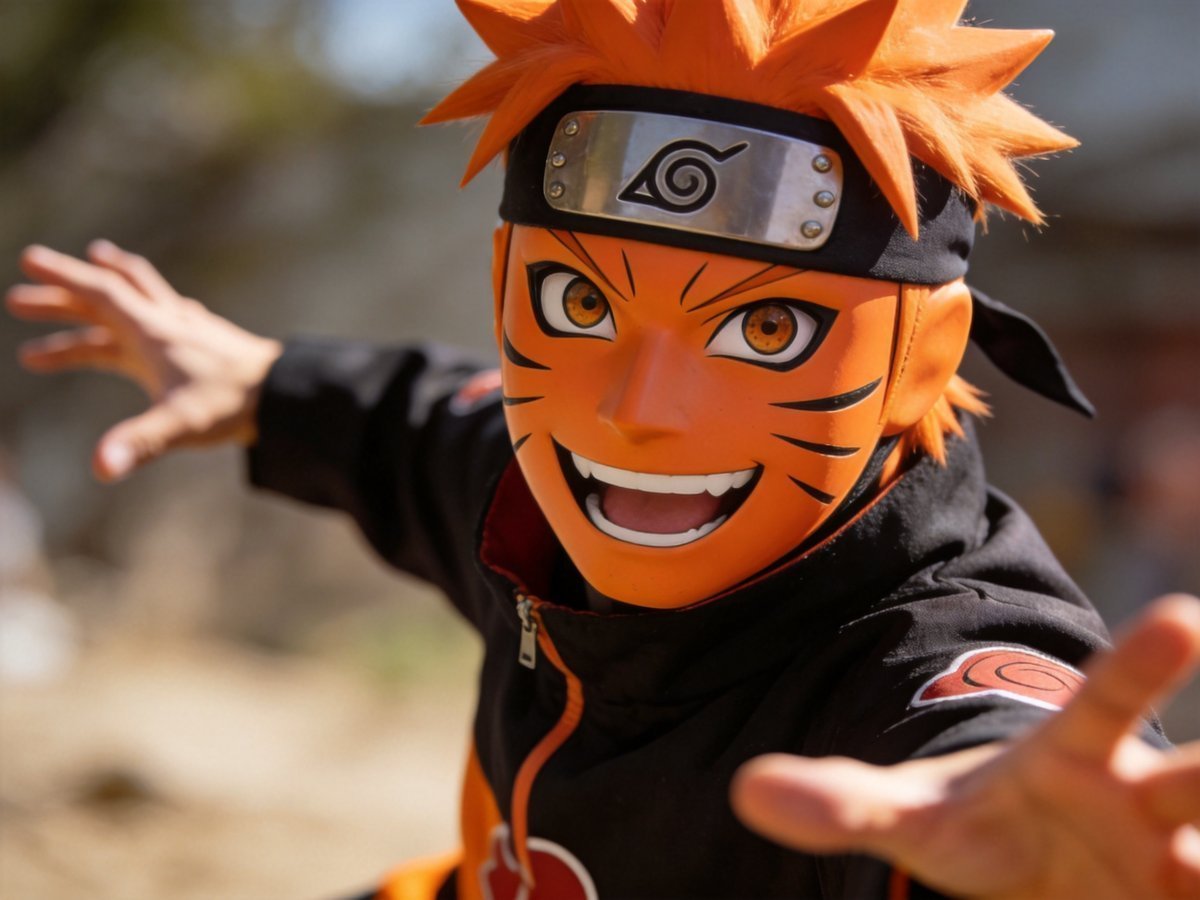
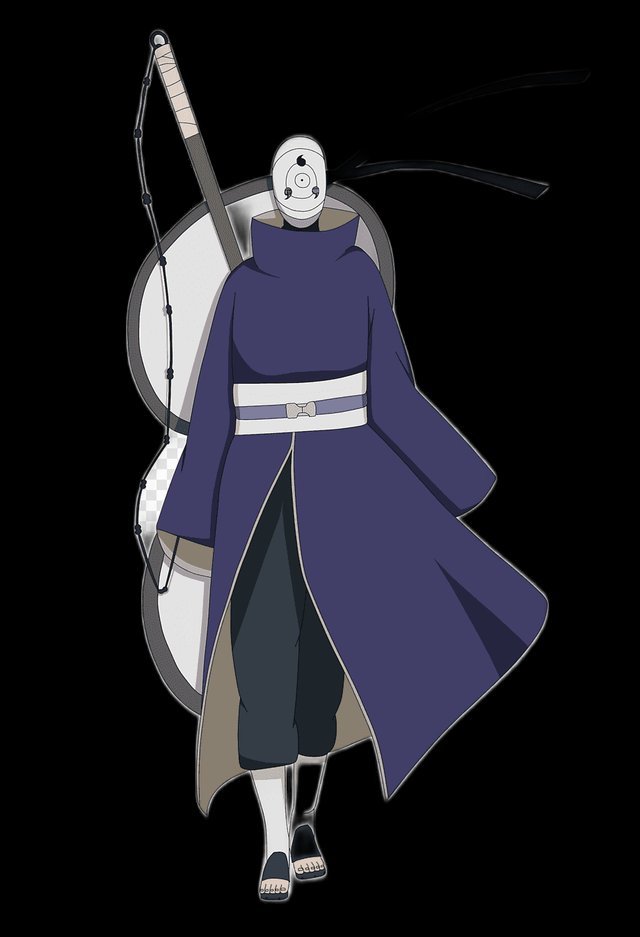
Tobi's appearance is defined by his iconic orange spiral mask, which covers his entire face with a single circular eyehole on the left side. The mask features a swirling orange and black vortex pattern that has become synonymous with the character. Through the eyehole, Tobi's left eye is visible, usually displaying a Sharingan or Mangekyo Sharingan depending on the situation. The mask conceals his true identity so completely that even close associates like Pain and Konan never suspected he was anyone other than Madara Uchiha.
Tobi's body is almost entirely concealed beneath a full-length black cloak with red cloud patterns, the standard Akatsuki attire. He wears a dark purple rope belt and black pants with sandals. Unlike other Akatsuki members, Tobi's cloak is distinctive for its full coverage, hiding his physique and any identifying features. He wears gloves that conceal his hands, which are reconstructed from Hashirama cells and have a distinctive wrinkled appearance. His movements in this persona are intentionally exaggerated, shifting between clumsy comic relief and predatory menace.
After revealing himself as the Akatsuki leader, Tobi adopted a different mask with a sharper, more aggressive design. This mask was white with red cloud-like patterns at the bottom, triangular eyeholes, and a more menacing overall shape. The new mask reflected his transition from shadowy manipulator to open antagonist. When he finally removed all masks and revealed himself as Obito Uchiha, his appearance showed a man with half his face scarred, his right eye replaced with a prosthetic, and a body partially composed of white Zetsu material, the physical manifestation of his lost humanity.
Personality
Tobi's personality is intentionally schizophrenic, shifting between two distinct modes depending on his audience. In his early appearances, he presents himself as a bumbling, childish, and hilariously incompetent new member of the Akatsuki. He speaks in an exaggerated, playful tone, calls Deidara "Deidara-senpai," makes inappropriate jokes during serious missions, and generally acts like a clown. This persona serves multiple purposes: it lowers the guard of his enemies, allows him to observe without being taken seriously, and provides comic relief that makes his eventual reveal far more shocking.
Beneath the clown mask lies a cold, calculating, and utterly ruthless manipulator. The real Tobi believes that the shinobi world is fundamentally broken and that the only solution is to replace reality with an eternal genjutsu where pain and death no longer exist. This belief makes him terrifyingly calm in situations that would provoke emotional responses from other villains. He orchestrates the deaths of thousands, declares war on the entire world, and captures living beings to extract their tailed beasts with cheerful detachment, revealing a psyche that has completely divorced itself from normal human empathy.
Tobi's philosophy is built on the concept of escaping reality rather than fixing it. He argues that hope causes more suffering than despair, because hope inevitably leads to disappointment. By creating a world where all desires are fulfilled in an illusion, he believes he is offering salvation, not tyranny. This twisted idealism makes him more complex than a purely evil villain. He genuinely believes he is saving the world from itself, a conviction that makes him immune to reason or negotiation. His calm certainty that he is right is one of his most frightening characteristics.
When the mask finally comes off and Obito's identity is revealed, a third personality emerges: the traumatised, guilt-ridden child who never matured past the moment of his greatest loss. Obito's Tobi persona was a defence mechanism that allowed him to distance himself from his pain. When confronted with the reality of his actions and the faces of his former friends, the assured villain crumbles into a conflicted, broken man who must confront the gap between the person he was and the monster he became. This psychological complexity, shifting between clown, monster, and wounded child, makes Tobi among the most layered characters in Naruto.
Abilities & Powers
Kamui (Mangekyo Sharingan)
Kamui was Tobi's Mangekyo Sharingan ability and the foundation of his combat dominance. The left eye ability, which Tobi retained, allowed him to phase his body parts into a separate dimension, making any physical attack pass through him harmlessly. He could activate this intangibility reflexively, meaning even surprise attacks from close range would fail. The phasing effect could be extended to anything he touched, allowing him to pull allies into his dimension or make himself intangible while grabbing an opponent. The only limitation was a time limit on how long he could remain intangible, and attacks that targeted the dimension itself rather than his physical body.
Tobi could also use Kamui offensively to teleport portions of his opponents into the dimension, effectively removing body parts from existence. He demonstrated this against Konan, avoiding her paper ocean by phasing through the initial attack, then teleporting her into the dimension after she exhausted her technique. The right eye Kamui, which was implanted in Kakashi's eye socket, had different properties, focusing on long-range teleportation across distances rather than self-intangibility. When Tobi reclaimed his right eye during the Fourth War, he gained complete control over both Kamui abilities, making him nearly omnipotent in dimensional manipulation.
Sharingan Mastery
As an Uchiha, Tobi possessed the Sharingan in his left eye and later reclaimed his right eye to achieve full mastery. His Sharingan granted him the standard abilities of perception enhancement, genjutsu casting, and technique copying. He was shown using high-level genjutsu to control the Nine-Tails, manipulating Kurama into attacking Konoha on the night of the Nine-Tails attack. This feat, performed years before the main timeline, demonstrated that his Sharingan proficiency was already at an elite level. His Mangekyo Sharingan remained active permanently, as the Hashirama cells in his body prevented the vision degeneration that normally affected Mangekyo users.
Wood Release
Due to the extensive implantation of Hashirama Senju's cells during his reconstruction, Tobi gained the ability to use Wood Release, the rare Kekkei Genkai that combined Earth and Water Release. Wood Release granted him powerful offensive and defensive capabilities, including the ability to create massive wooden constructs, bind opponents, and suppress tailed beast chakra. He used Wood Release to create the White Zetsu army and to construct the massive tree that held the Infinite Tsukuyomi. His Wood Release proficiency, while not matching Hashirama's, was sufficient to control tailed beasts and construct the infrastructure of the Eye of the Moon Plan.
Ten-Tails Jinchuriki
After capturing all seven tailed beasts and merging them with the Ten-Tails shell, Tobi became the second Jinchuriki of the Ten-Tails. This transformation granted him god-like powers, including the ability to fly at extreme speeds, regenerate from fatal damage, create truth-seeking orbs that nullified all ninjutsu, and manipulate gravitational forces. As the Ten-Tails Jinchuriki, he could reshape the setting with his attacks and release devastating chakra blasts. His body was wrapped in a distinctive white cloak with black markings, and he could extend truth-seeking orbs as weapons that disintegrated anything they touched. This form made him the most powerful being in the world until Naruto and Sasuke accessed their Six Paths powers.
Story Arcs
Akatsuki Introduction Arc
Tobi was introduced as a new, clumsy member of the Akatsuki who partnered with Deidara after Sasori's death. He appeared as a bumbling fool who got in the way during missions, spoke in an exaggerated childish voice, and seemed to be a burden rather than an asset. Deidara constantly complained about his new partner's incompetence, and even the audience was meant to dismiss Tobi as comic relief. However, his true nature began to surface during the Three-Tails capture mission, where Tobi demonstrated knowledge of the tailed beasts that no ordinary member should possess. When Deidara died fighting Sasuke, Tobi appeared at the scene and revealed a cold, serious demeanour that suggested the clown was just an act.
Pain Invasion Arc
After Pain's failed invasion of Konoha and Nagato's death, Tobi revealed himself as the true leader of the Akatsuki. He approached Konan immediately after Pain's defeat and demanded she surrender Nagato's Rinnegan. When Konan refused and unleashed a paper ocean trap designed in particular to counter Kamui, Tobi demonstrated his tactical brilliance by surviving her 600 billion paper bomb trap through strategic use of Kamui's intangibility and dimension-hopping. He eventually killed Konan, took the Rinnegan, and implanted it into his left eye socket. This confrontation established Tobi as a ruthless pragmatist who would eliminate even long-time allies to achieve his goals.
Five Kage Summit Arc
Tobi made his move at the Five Kage Summit, appearing before the assembled Kage and issuing an ultimatum: surrender the tailed beasts to him, or face war. When the Kage refused, Tobi declared the Fourth Great Ninja War against the Allied Shinobi Forces. He revealed the extent of his preparations, including the White Zetsu army and the reanimation of deceased shinobi. He also unveiled the Eye of the Moon Plan to the public for the first time, explaining his goal to cast the Infinite Tsukuyomi and trap all of humanity in an eternal dream. This declaration transformed Tobi from a shadowy manipulator into the openly declared enemy of the entire shinobi world.
Fourth Great Ninja War Arc
During the war, Tobi fought as the primary antagonist against the Allied Shinobi Forces. He captured the Seven-Tails and all remaining tailed beasts within a single day, using the Gedo Statue to seal them. When Naruto and Killer B escaped his traps, Tobi engaged them directly, using Kamui's intangibility to dominate the battle. The war reached its turning point when Kakashi confronted Tobi and recognised his Kamui ability as identical to his own, leading to the revelation that Tobi was Obito Uchiha. This revelation shattered the psychological foundation of Tobi's persona, forcing the man beneath the mask to confront his former teammates and the ideals he had abandoned.
After becoming the Ten-Tails Jinchuriki, Tobi achieved power beyond any living shinobi. He fought against Naruto, Sasuke, Kakashi, and the reanimated Hokage simultaneously. However, the combined efforts of Team 7, aided by the tailed beasts inside Naruto and the Hokage's tactical leadership, eventually overwhelmed him. Naruto reached Obito's heart through talk-no-jutsu, forcing him to confront the truth that he had become exactly what he hated. In his final moments, Obito sacrificed himself to save Naruto and help Team 7 defeat Madara, completing his redemption arc from idealistic child to villain and back to hero.
Relationships
Madara Uchiha
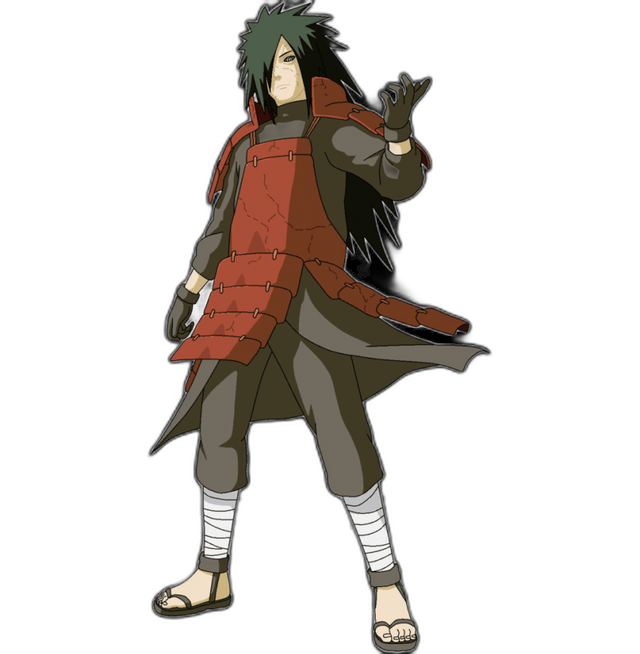
Madara was the architect of Obito's transformation into Tobi. After saving Obito from the rubble of the Kannabi Bridge, Madara spent months rebuilding his body and indoctrinating him with the Eye of the Moon ideology. Madara chose Obito in particular because of his Sharingan potential and because his idealistic nature could be twisted into the opposite extreme when broken. Their relationship was that of master and apprentice, with Obito acting as Madara's proxy for decades, executing a plan that Madara himself could not complete. When Obito eventually rebelled against Madara's control during the war, it represented his first independent decision in years, a step toward reclaiming his agency.
Kakashi Hatake
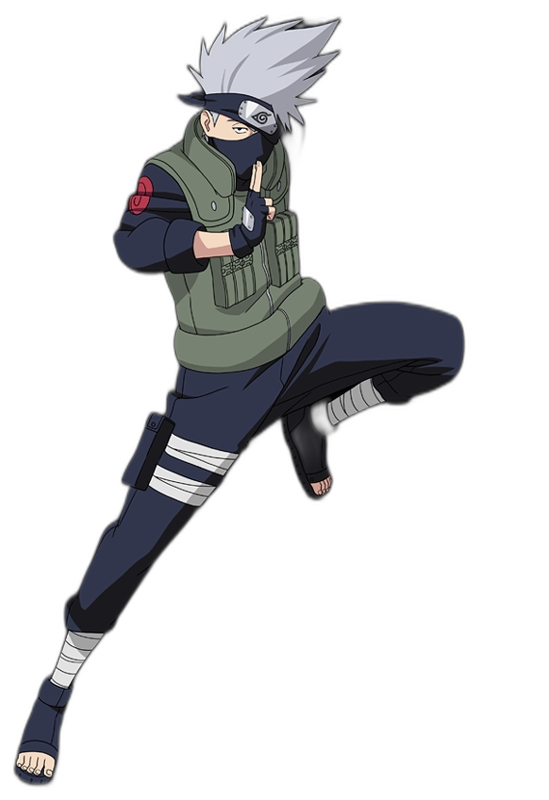
The relationship between Tobi and Kakashi was the emotional core of his identity. Kakashi was Obito's former teammate who had unknowingly carried Obito's donated Sharingan for two decades. When the mask shattered and Kakashi saw his dead friend's face, the recognition broke both of them. Kakashi blamed himself for Obito's death, and Obito blamed Kakashi for Rin's death. Their battle inside Kamui's dimension was among the most emotionally charged fights in the series, two former friends forced to confront decades of grief, guilt, and mutual recrimination. In the end, Obito's spirit returned to Kakashi, granting him temporary access to perfect Susanoo and allowing them to fight together one final time.
Rin Nohara
Rin was the root cause of Obito's transformation into Tobi. Her death at Kakashi's hands, which Obito witnessed after escaping the cave, shattered his idealistic worldview and convinced him that the shinobi system was fundamentally broken. Obito constructed the entire Tobi persona and the Eye of the Moon Plan around the goal of creating a world where Rin could live happily, a world without the pain of losing loved ones. His obsession with Rin was both his greatest weakness and the driving force behind his villainy. When Naruto forced him to confront this, Obito had to accept that Rin would not have wanted the path he chose.
Naruto Uzumaki
Naruto served as the mirror that forced Tobi to confront his own lost potential. Naruto was everything Obito could have been if he had not succumbed to despair: an orphaned jinchuriki who chose connection over isolation, love over hatred. Tobi recognised their similarities immediately and tried to break Naruto's faith by proving that the shinobi world was irredeemable. Instead, Naruto's unwavering conviction broke through Tobi's cynicism. Naruto refused to give up on Obito even after everything he had done, eventually redeeming him in his final moments. Their relationship mirrored the series' central theme that connection and understanding can overcome even the deepest hatred.
Deidara
Tobi's partnership with Deidara was among the most memorable dynamics in the Akatsuki. To Deidara, Tobi was an annoying, clumsy junior member who constantly disrupted his rhythm and irritated him with his childish antics. Deidara frequently threatened to kill Tobi, but Tobi's persistent cheerfulness and apparent inability to take anything seriously made Deidara the perennial straight man to Tobi's comic relief. This partnership served Tobi's cover perfectly, as nobody would suspect the clumsy fool was actually the organisation's secret mastermind. After Deidara's death, Tobi dropped the act completely, revealing that the entire persona was a carefully maintained disguise.
Cultural Impact
Tobi's orange spiral mask has become among the most iconic symbols in anime history. The mask design is instantly recognisable even to people who have never watched Naruto, appearing on T-shirts, posters, cosplay, and tattoo designs worldwide. The visual contrast between the playful orange mask and the sinister character beneath created a powerful symbol of deception and hidden identity. The mask has been parodied, referenced, and homaged across countless anime, games, and internet memes, cementing its place in pop culture iconography.
The Tobi identity reveal is consistently ranked among the greatest plot twists in anime history. The moment when the mask shatters and Kakashi sees Obito's face was built up across hundreds of episodes, with carefully placed clues, red herrings, and foreshadowing that rewarded attentive viewers while still surprising everyone. The twist retroactively recontextualised the entire series, changing how viewers understood the Akatsuki's formation, the Nine-Tails attack, and the Uchiha clan's downfall. The reveal dominated anime discussion forums for weeks after its airing and remains a benchmark for long-term narrative payoff.
Tobi's combat style, centred on Kamui intangibility, has influenced how invincible villains are portrayed in subsequent anime and manga. The concept of a character who simply phases through attacks rather than blocking or dodging them created a new template for unstoppable antagonists. The logical challenge of defeating such an opponent, requiring characters to exploit the ability's limitations rather than overpower it, became a model for creative problem-solving in battle shonen. Kamui's dimensional abilities also opened up creative possibilities for how characters interact with pocket dimensions and alternate spaces.
The character's theme of redemption has generated significant discussion among fans and critics. Tobi's arc from clown to monster to redeemed hero divided the Naruto fandom, with some arguing that his atrocities were too great for forgiveness and others defending the series' message that redemption is always possible. This debate reflects the broader philosophical questions at the heart of Naruto: whether understanding can truly overcome hatred, and whether the worst sinners can find their way back to the light. The character's complexity, combining humour, terror, and tragedy in a single masked figure, makes him among the most analysed and debated characters in the series' extensive roster.
Frequently Asked Questions
Tobi is the masked persona of Obito Uchiha, a former Konoha shinobi who was believed to have died during the Third Great Ninja War. After being rescued and rebuilt by Madara Uchiha, Obito adopted the identity of Tobi and infiltrated the Akatsuki. He initially posed as a bumbling, childish member before revealing himself as the organization's true leader, claiming to be Madara Uchiha.
Kamui is Tobi's Mangekyo Sharingan ability that allows him to phase his body parts into a separate dimension, making attacks pass through him intangibly. His left eye grants short-range intangibility and teleportation, while his right eye (kept by Kakashi) allows long-range teleportation across distances. This ability made him nearly invincible in combat.
Yes, Tobi declared the start of the Fourth Great Ninja War at the Five Kage Summit after the Kage refused to hand over the tailed beasts. He used the reanimation jutsu to resurrect deceased shinobi as an army and captured all seven tailed beasts within a single day. He fought against the Allied Shinobi Forces as the primary antagonist of the war.
Tobi originally wore an orange spiral mask with a single eyehole that covered his entire face. This mask became among the most iconic symbols in the Naruto series. After revealing himself as the Akatsuki leader, he switched to a more menacing mask with red cloud patterns and a larger single eyehole. Both masks concealed his identity and protected his remaining Mangekyo Sharingan.
Yes, Tobi is revealed to be Obito Uchiha, Kakashi Hatake's former teammate who was believed to have died in the Kannabi Bridge mission during the Third Great Ninja War. He was rescued by Madara Uchiha, rebuilt with Hashirama cell implants, and indoctrinated into Madara's plan for the Eye of the Moon. The reveal occurred during the Fourth War when Kakashi identified Obito's Mangekyo Sharingan as the same one he had been using for years.
Gallery
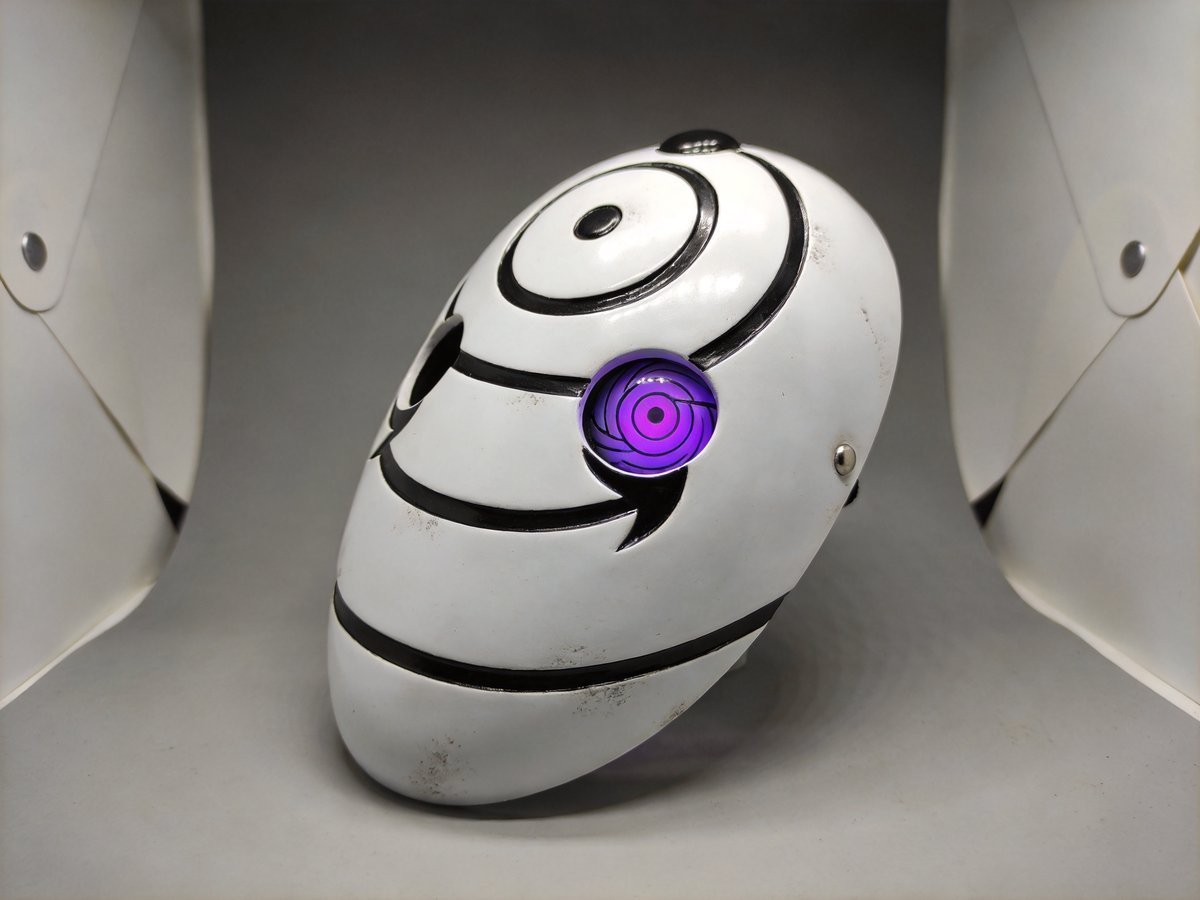
Tobi's iconic orange spiral mask
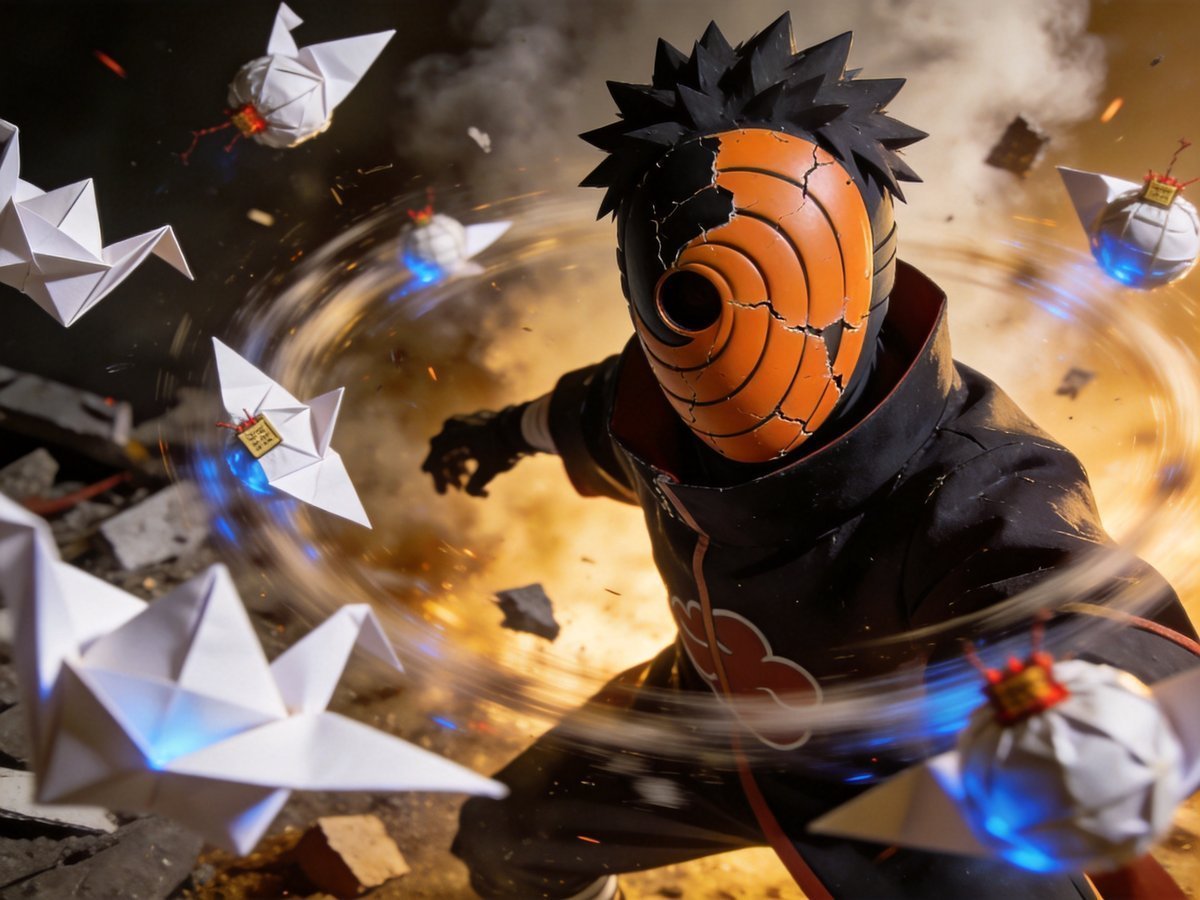
Tobi using Kamui intangibility in combat
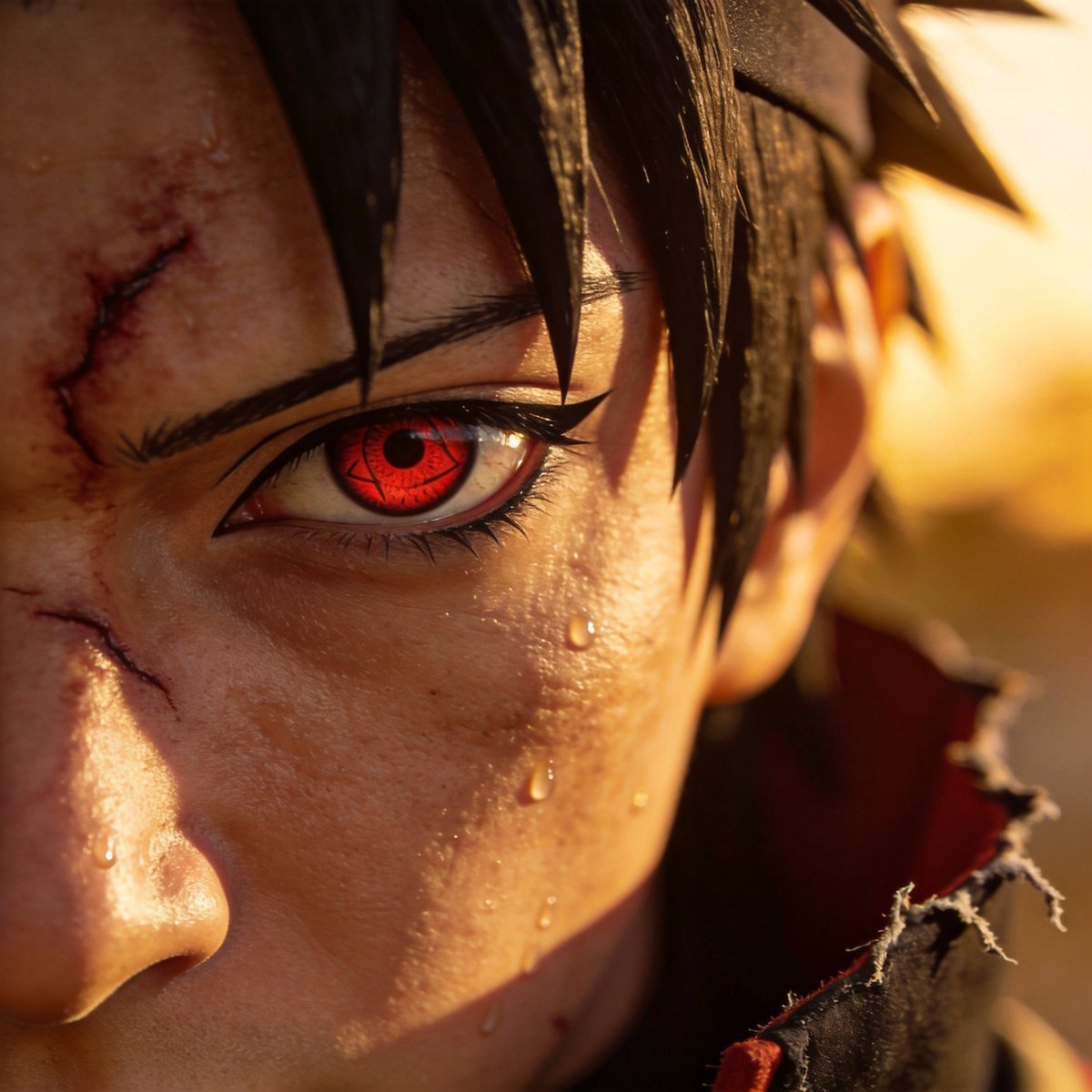
Tobi revealing himself as Akatsuki leader