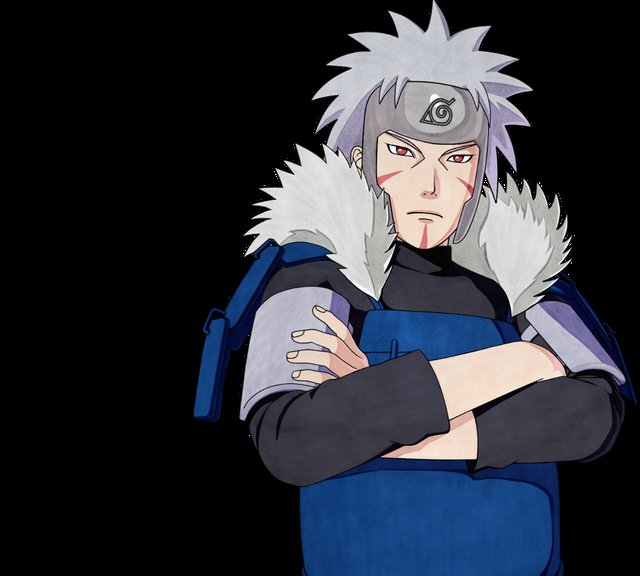
Creator of the Flying Thunder God, Shadow Clone, and Edo Tensei. Brilliant tactician whose inventions shaped the entire shinobi world.
Second Hokage / Water Release Innovator · Creator of the Flying Thunder God, Shadow Clone, and Edo Tensei.
Overview
Tobirama Senju, the Second Hokage, is the most innovative shinobi in Naruto history. He created techniques that defined the ninja world for generations — the Flying Thunder God, Shadow Clone, and Edo Tensei all originated from his research. As the younger brother of Hashirama Senju, Tobirama lived in the shadow of the God of Shinobi, but his own contributions to Konoha were arguably more structural. He founded the Ninja Academy, the ANBU Black Ops, and the Chunin Exams, establishing the institutions that made Konoha function.
Tobirama was a pragmatist where Hashirama was an idealist. He trusted his brother's dream of peace but built the systems to protect it. His suspicion of the Uchiha clan led to the Military Police Force arrangement that inadvertently planted the seeds of the Uchiha massacre decades later. Despite his cold reputation, Tobirama was deeply loyal to his students and sacrificed himself without hesitation to protect the next generation. His legacy as both an inventor and an institution builder is unmatched.
Appearance
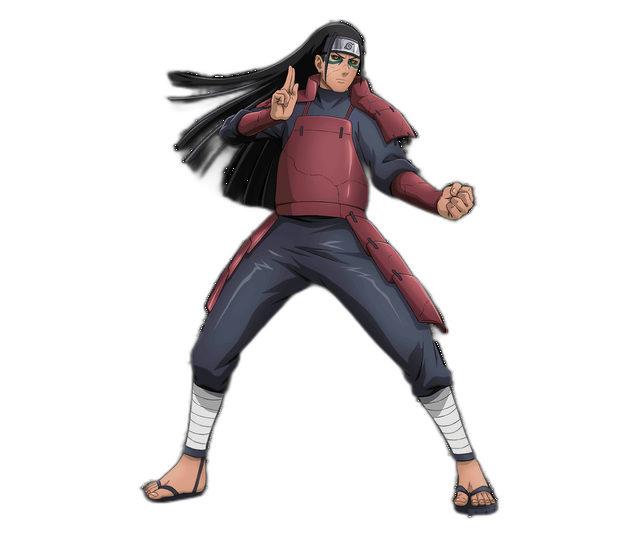
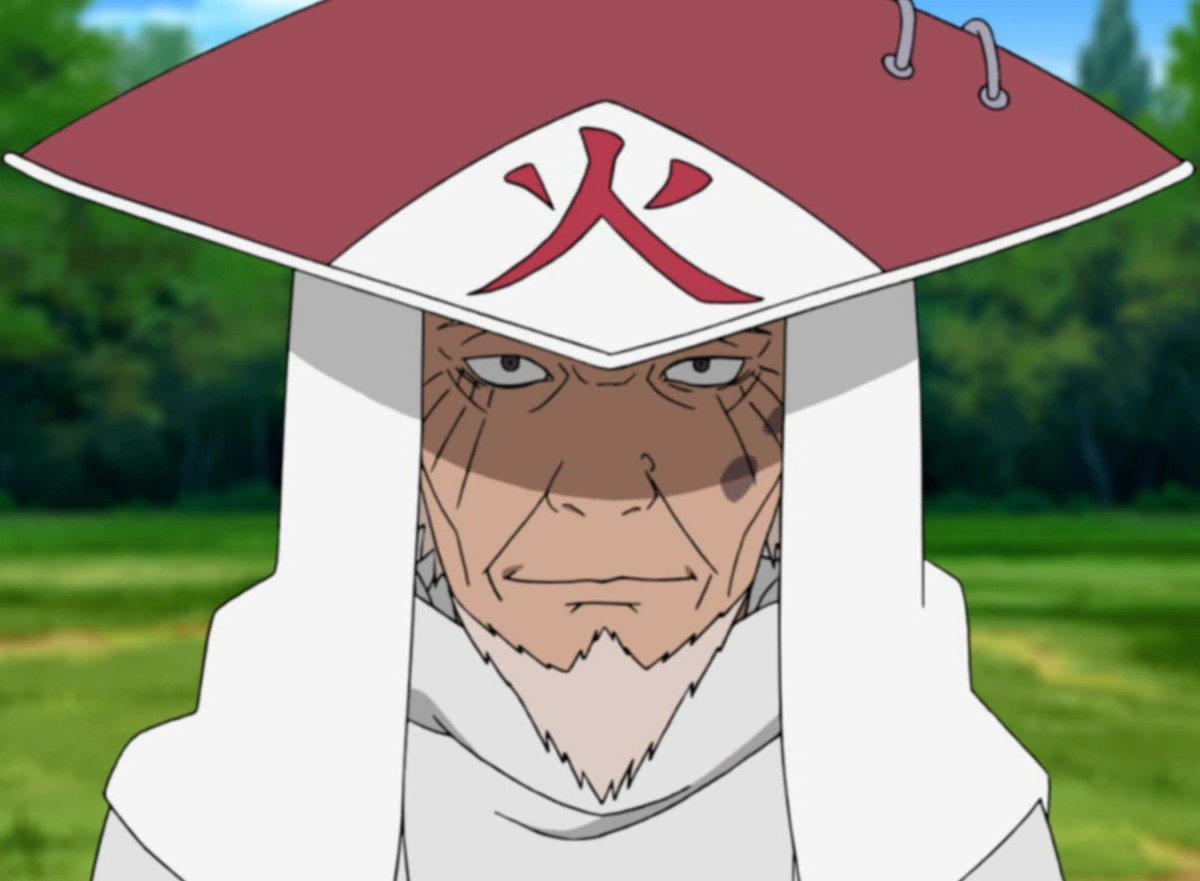
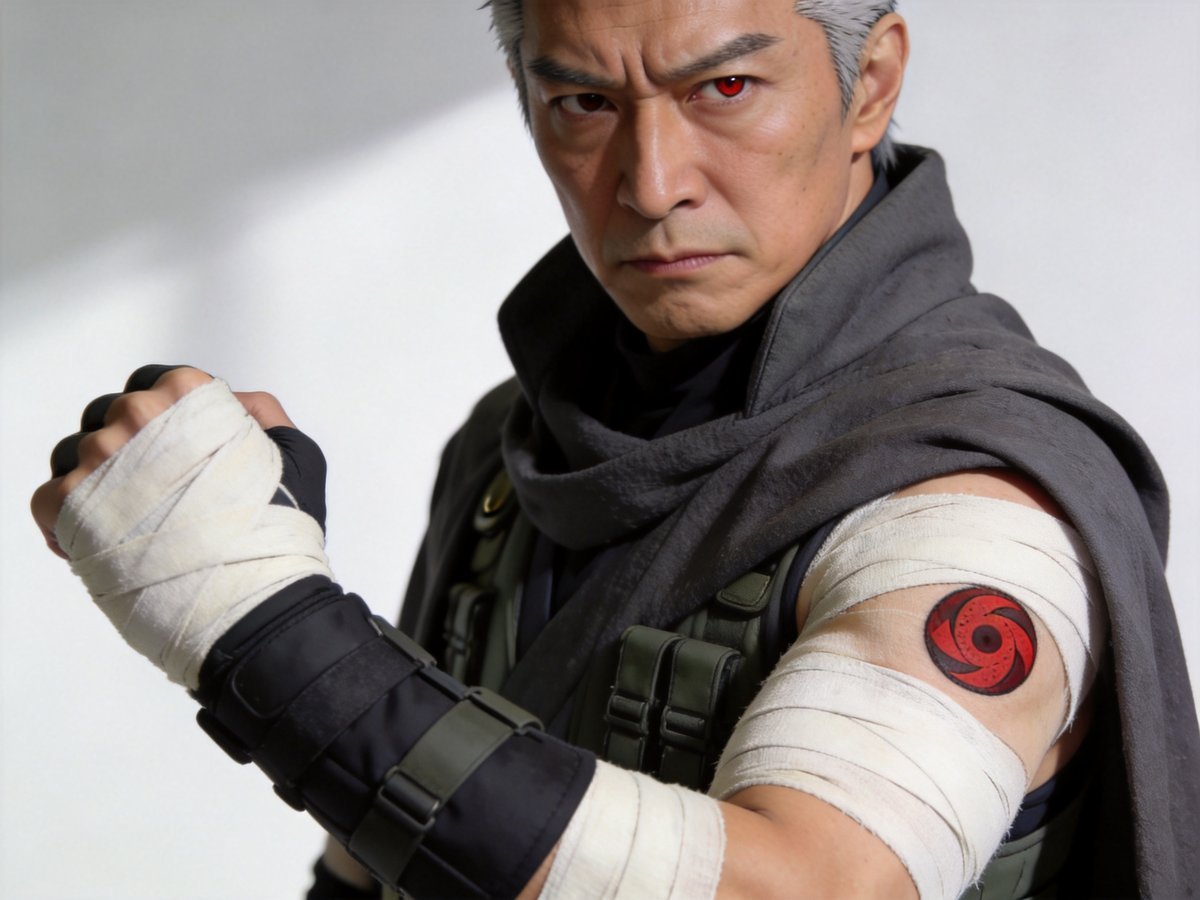
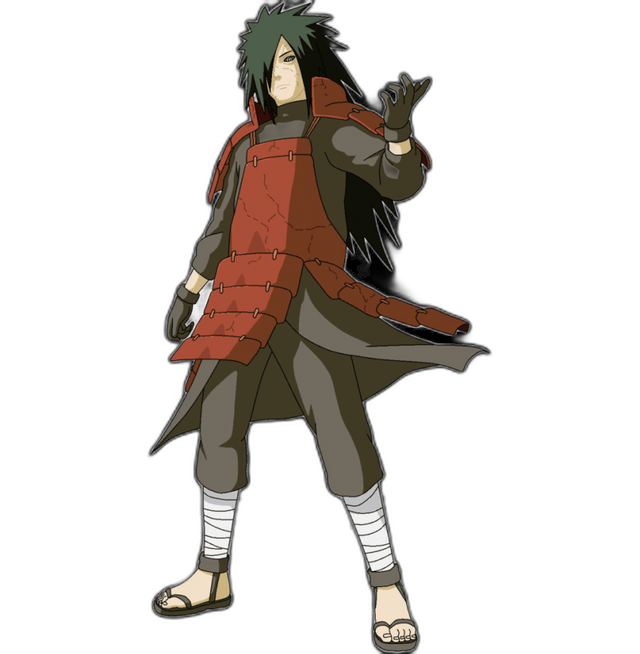
Tobirama had a lean, athletic build with pale skin and distinctive white hair styled in a spiky ponytail. His most striking feature was his red-tinted eyes with small pupils, giving him an intense, perpetually guarded expression. He wore the standard Hokage white haori with red trim, a dark blue undershirt, and black pants with shin guards. A red rope belt with a bell tied to the end was his signature accessory — a keepsake from his brother Hashirama.
In combat, Tobirama wore dark blue armor with red shoulder pads and metal forearm guards. He carried a short sword on his back and a scroll holster on his left hip. His face was angular with sharp cheekbones and a narrow jaw. Unlike Hashirama's broad smile, Tobirama's default expression was a calm, analytical frown. He bore a small scar near his right temple from a childhood battle. When he activated his techniques, the Flying Thunder God markers on his kunai left brief spatial distortions in the air.
Personality
Tobirama was calm, analytical, and pragmatic — the opposite of his emotionally expressive brother. He spoke in measured tones and never wasted words. His decisions were based on logic rather than sentiment, which made him an effective administrator but a controversial leader. He believed that strong institutions were more reliable than individual goodwill, a philosophy that shaped every system he created.
Beneath his cold exterior, Tobirama was fiercely protective of his students and his village. When Hiruzen Sarutobi and the other members of his squadron were cornered by the Gold and Silver Brothers, Tobirama immediately volunteered as the decoy, knowing it meant certain death. His final act was not a battle but a lesson — he taught his students that the Hokage must be willing to sacrifice themselves for the village. This contradiction between his cold policies and warm sacrifices defines Tobirama's character: he built walls with his head but broke them with his heart.
Abilities & Powers
Tobirama's most famous creation is the Flying Thunder God Technique (Hiraishin no Jutsu), a space-time ninjutsu that let him instantaneously teleport to any marked location. He placed his unique kunai across the battlefield and could appear at any of them in an instant. Combined with his Hiraishin Giri (Flying Thunder God Slash), this made him the fastest shinobi of his era — enemies died before they saw him move. Minato Namikaze later perfected this technique with even faster activation.
He invented the Shadow Clone Technique (Kage Bunshin no Jutsu), later classified as a forbidden jutsu because it divided the user's chakra dangerously. He also created Edo Tensei (Impure World Reanimation), a technique he regretted inventing, and developed the technique that Minato later completed as the Rasengan. His Water Release mastery was exceptional — he could create massive water techniques without a water source, including Water Dragon Jutsu, Water Wall, and Water Severing Wave. He was also a sensor type, able to detect and identify chakra signatures across vast distances. His intellect and speed made him among the most dangerous shinobi ever.
Story Arcs
Warring States Period
Tobirama was born during the violent conflict between the Senju and Uchiha clans. As Hashirama's younger brother, he fought alongside him in numerous battles. Unlike Hashirama's idealistic hope for peace, Tobirama focused on winning the war. His tactical brilliance turned the tide in multiple engagements. He developed the Flying Thunder God during this period to counter the Uchiha's Sharingan, giving the Senju a decisive speed advantage.
Founding of Konoha
When Hashirama proposed peace with the Uchiha, Tobirama was skeptical but supported his brother. After Konoha was founded, Tobirama became the primary administrator. He established the Ninja Academy to standardize shinobi training, the ANBU to handle covert operations, and the Chunin Exams to identify future leaders. He also created the Military Police Force, assigning the Uchiha to manage it — an arrangement that honored them while keeping them under observation.
Reign as Second Hokage
After Hashirama's death, Tobirama became Hokage and immediately focused on strengthening Konoha's infrastructure. He formalized the Will of Fire as a taught philosophy in the Academy, negotiated treaties with the other great nations, and established the foundation of Konoha's intelligence network. His reign was shorter than Hashirama's but arguably more productive in structural terms. He trained the team that would produce the Third Hokage, Hiruzen Sarutobi.
First Shinobi World War
During the war with the Hidden Cloud, Tobirama led a squadron that was ambushed by Kinkaku and Ginkaku, elite ninja wielding legendary Six Paths tools. Outnumbered and outmatched, Tobirama decided to hold them off alone so his students could escape. Before leaving, he appointed Hiruzen as the Third Hokage and gave his final lesson about the meaning of leadership. He died fighting, securing the future of the village he helped build.
Relationships
Hashirama Senju: Tobirama loved and respected his older brother completely, though he found Hashirama's emotional outbursts exasperating. He acted as the practical counterbalance to Hashirama's idealism, handling the political realities his brother preferred to ignore. After Hashirama's death, Tobirama dedicated his entire reign to preserving his brother's legacy.
Hiruzen Sarutobi: Tobirama's most gifted student and his chosen successor. He trusted Hiruzen above all others and personally mentored him in leadership and combat. Before sacrificing himself, he appointed Hiruzen as Third Hokage, signaling complete confidence in his student's judgment and abilities.
Uchiha Clan: Tobirama's distrust of the Uchiha was pragmatic rather than personal. He saw the Curse of Hatred as a legitimate security threat and built systems to mitigate it. His Military Police Force arrangement kept the Uchiha isolated — an unintended contributor to their eventual rebellion. When reanimated, he acknowledged this outcome with resignation but not surprise.
Danzo Shimura: Tobirama taught Danzo alongside Hiruzen, and his pragmatic philosophy was a double-edged influence. Danzo absorbed Tobirama's distrust of the Uchiha and his willingness to make hard choices, pushing those ideas to extreme conclusions. Tobirama would likely have disapproved of Danzo's methods while recognizing the reasoning behind them.
Cultural Impact & Legacy
Tobirama Senju's inventions are so fundamental to the Naruto universe that the series could not exist without them. The Shadow Clone Technique is Naruto's signature move. The Flying Thunder God is the cornerstone of Minato's fighting style. Edo Tensei drives the entire Fourth Shinobi World War arc. The institutions he created — the Academy, Chunin Exams, ANBU — are the structural backbone of every hidden village.
His political decisions about the Uchiha clan generated some of the series' most tragic storylines, from Obito's corruption to Itachi's massacre. His philosophy of structural pragmatism versus Hashirama's idealistic trust creates one of the series' central tensions. Tobirama represents the necessary cost of peace — the hard decisions that idealists prefer not to make. He ranks as among the most influential characters in Naruto history despite having relatively little screen time, a testament to the enduring power of his inventions and ideas.
Frequently Asked Questions
What jutsu did Tobirama Senju invent?
Tobirama invented the Flying Thunder God Technique, Shadow Clone Technique, Edo Tensei, and the precursor to the Rasengan. He also created multiple original Water Release techniques. He is the most prolific jutsu creator in the series.
Why did Tobirama discriminate against the Uchiha clan?
Tobirama distrusted the Uchiha's emotional volatility and their Curse of Hatred. He established the Military Police Force to monitor them while appearing to honor them. This structural segregation directly contributed to the Uchiha coup attempt generations later.
How did Tobirama Senju die?
Tobirama died during the First Shinobi World War while protecting his students. Ambushed by the Gold and Silver Brothers, he volunteered as the decoy, sacrificing himself so Hiruzen and the others could escape. Before leaving, he appointed Hiruzen as the Third Hokage.
Was Tobirama stronger than Hashirama?
No. Hashirama was stronger with Wood Release and Sage Mode. But Tobirama was the smarter fighter and more innovative shinobi. His speed from Flying Thunder God was unmatched, but he lacked Hashirama's raw destructive power.
What institutions did Tobirama create?
Tobirama founded the Ninja Academy, ANBU Black Ops, Chunin Exams, and the Military Police Force. He also formalized the Will of Fire as a taught philosophy. These institutions formed the entire operational structure of Konohagakure for generations.