Overview
Shikamaru Nara is a Jonin of Konohagakure and a member of the Nara clan, known for their Shadow techniques and strategic brilliance. From his earliest days at the Ninja Academy, Shikamaru displayed extraordinary intelligence with an IQ exceeding 200. His teachers recognized his potential immediately, but Shikamaru's defining trait was not his intelligence — it was his laziness. He found everything troublesome and preferred to spend his days lying on rooftops watching clouds rather than applying himself.
Despite his lack of ambition, Shikamaru consistently performed at the top of his class when he chose to apply himself. The Chunin Exams served as his awakening: placed in life-or-death situations, Shikamaru discovered that his strategic mind was not just a tool for passing tests but a genuine gift that could save lives. His promotion to Chunin after the exams — the only one promoted during that exam cycle — marked the beginning of his transformation from a lazy prodigy to a dedicated shinobi.
By the end of the series, Shikamaru serves as Naruto Uzumaki's chief advisor and the top strategist for Konohagakure. He is married to Temari of Sunagakure and has a son, Shikadai. His journey from a boy who could not be bothered to try to a man responsible for the village's strategic security is one of Naruto's most compelling character arcs — the story of a genius who learned that some things are worth the effort.
Appearance
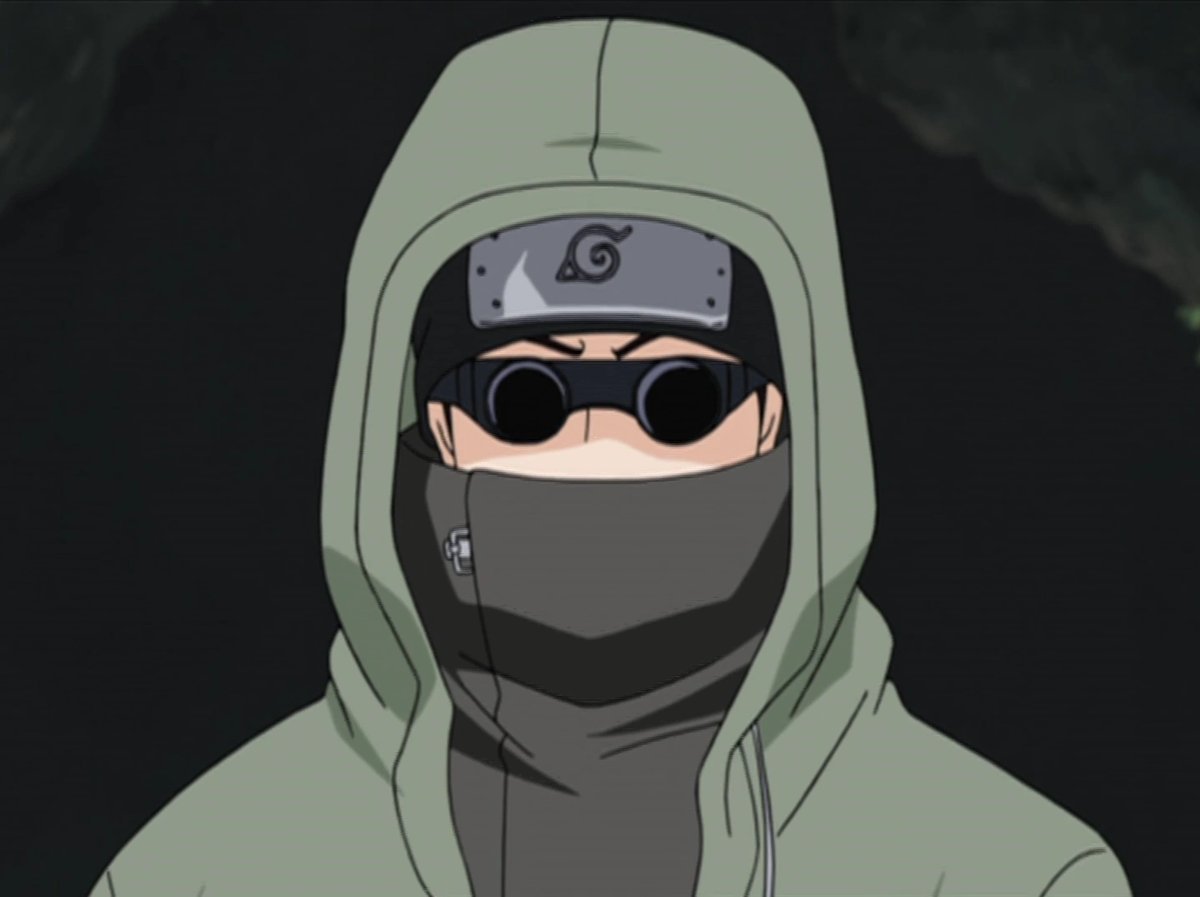
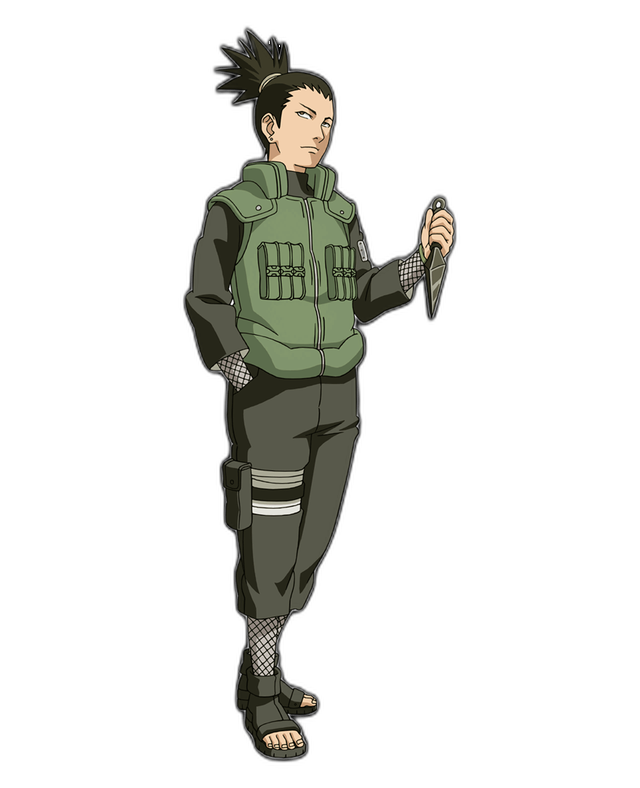
Shikamaru has spiky black hair tied in a distinctive topknot ponytail, with sharp, narrow eyes that give him a perpetually bored expression. His most characteristic accessory is the Nara clan's signature earring — a single stud earring on each earlobe. In Part I, he wears a standard Konoha shinobi outfit: a green long-sleeved shirt with a high collar, black pants, sandals, and a blue forehead protector. He also wears a mesh undershirt visible at the collar.
In Part II, Shikamaru's appearance becomes more mature and authoritative. He wears a Jonin flak jacket over a long-sleeved mesh shirt, with the Nara clan earrings still present. His hair remains in the signature ponytail but is slightly longer. He carries a ninjato (short sword) on his back, reflecting his elevated combat capability. His posture is more confident, and his expressions have lost some of the boyish boredom, replaced by a tired but determined look.
In Boruto, Shikamaru wears a formal gray suit-like outfit befitting his role as the Hokage's advisor, complete with a green patterned haori. He keeps his ponytail but it is now streaked with gray, showing the stress of his responsibilities. His design in Boruto emphasizes his transition from a field operative to a desk-bound strategist, though he remains capable in combat when necessary. The constant presence of cigarettes in his mouth reinforces his tired, overworked persona.
Personality
Shikamaru's most famous trait is his laziness. He describes everything as troublesome, avoids unnecessary effort, and prefers napping over training. But his laziness is not a lack of ability — it is a mismatch between his intellectual capacity and the tasks presented to him. Schoolwork was easy, so he had no motivation to try. Only when faced with genuinely challenging problems does Shikamaru's genius activate, and he becomes hyper-focused, calculating hundreds of variables in seconds.
Beneath his apathetic exterior, Shikamaru is deeply loyal and compassionate. The death of his sensei Asuma Sarutobi at Hidan's hands shattered his laid-back attitude and revealed the fierce protector underneath. Shikamaru's grief-driven revenge against Hidan showed that his laziness was a facade — when someone he loves is threatened, he becomes the most relentless strategist in the ninja world. He carries the guilt of Asuma's death for years, using it as motivation to protect his remaining comrades.
Shikamaru is also characterized by his dry wit and sarcasm. His internal monologues often contain cynical observations about the people around him, delivered with deadpan humor. He is not antisocial but prefers small groups of friends over large crowds. His relationship with Temari is the perfect match: her aggressive, straightforward personality cuts through his evasiveness, and his intelligence earns her respect. Shikamaru matures from a boy who complains about everything to a man who accepts responsibility for his village's future without complaint — a quiet but profound growth.
Abilities
Shikamaru's greatest weapon is his mind. With an IQ over 200, he can process complex tactical information at extraordinary speeds. During combat, he analyzes terrain, enemy movements, weather conditions, and teammate positions simultaneously, constructing multi-layered strategies in seconds. His strategic thinking is not limited to combat — he excels at logistics, intelligence analysis, and long-term planning, which is why he becomes Naruto's chief advisor.
The Nara clan's Shadow Possession jutsu (Kage Mane no Jutsu) is his primary combat technique. By extending his shadow to connect with an opponent's, Shikamaru can force them to mirror his movements exactly. This seemingly simple technique becomes devastating in his hands. He uses it to immobilize enemies, redirect attacks, and create openings for teammates. His advanced variations include Shadow Strangle (choking opponents through the shadow connection), Shadow Sewing (projecting shadow needles to impale targets), and Shadow Gathering (merging multiple shadows for greater range and power).
Shikamaru is also proficient in basic ninjutsu including the Transformation and Clone techniques, and he carries a ninjato for close-quarters combat. His chakra reserves are average, but his chakra control is excellent, allowing precise manipulation of his shadow techniques. He can maintain Shadow Possession on multiple targets simultaneously and extend his shadow over considerable distances when using natural darkness to amplify its power.
His tactical feats include: deducing Hidan's immortality mechanism mid-battle, defeating the immortal Akatsuki member through strategy rather than power, coordinating a multinational shinobi alliance during the Fourth Great Ninja War, and outmaneuvering intelligence agencies as the Hokage's advisor. His ability to think ten moves ahead makes him among the most dangerous opponents in the series despite his lack of overwhelming raw power.
Story Arcs
Chunin Exams Arc
Shikamaru's debut establishes his genius. In the Forest of Death, he devises the plan that allows Team 10 to pass the written exam and navigate the forest safely. In the preliminary matches, he forfeits against Kin Tsuchi after briefly catching her with his shadow — calculating that winning would require more effort than the promotion was worth. Despite his forfeit, the examiners promote him to Chunin based on his leadership and tactical performance, marking him as the only Genin promoted during that exam cycle.
Sasuke Retrieval Arc
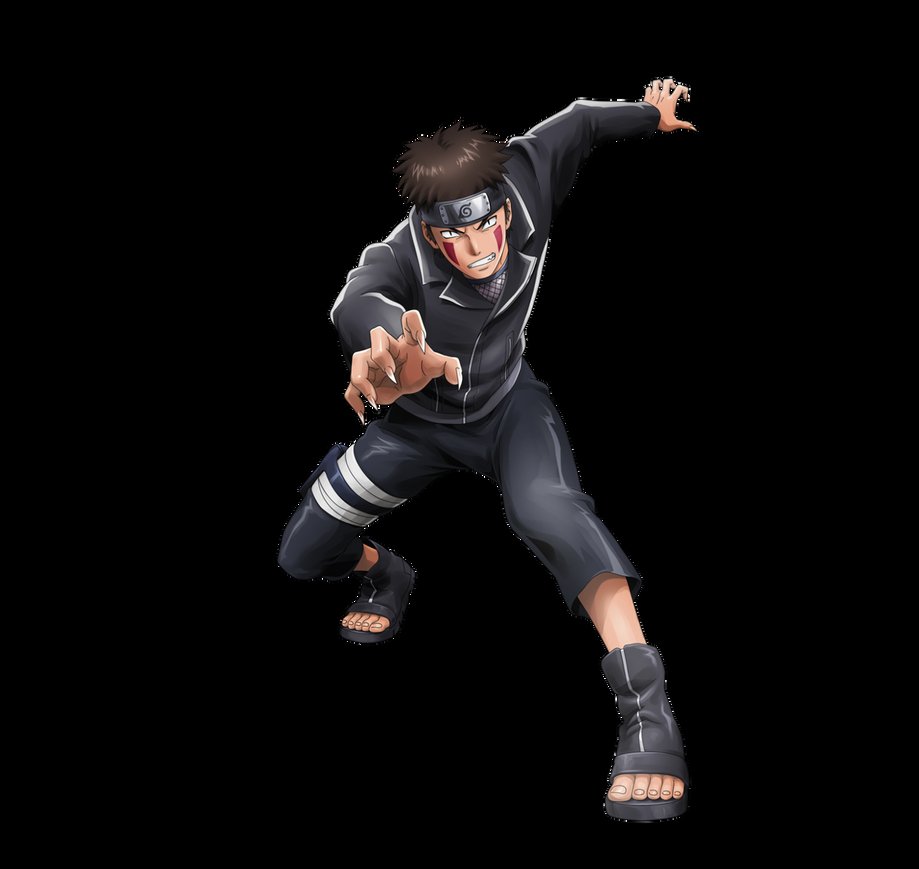
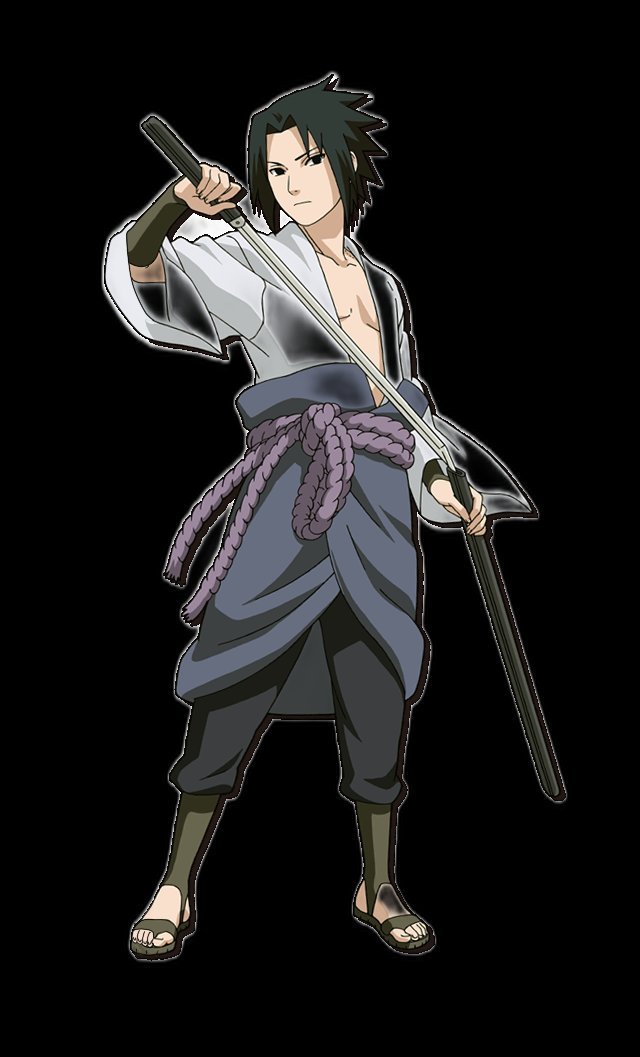
Shikamaru is appointed leader of the Sasuke Retrieval Squad, a team of five Genin sent to bring Sasuke back to Konoha. He leads Naruto, Neji, Choji, and Kiba against the Sound Four. This arc demonstrates Shikamaru's growth as a leader: he makes difficult tactical decisions, delegates tasks based on each teammate's strengths, and bears the guilt when Choji and Neji are gravely injured. The arc ends with Shikamaru realizing that being a leader means accepting responsibility for the lives under his command.
Hidan and Kakuzu Arc (Akatsuki Suppression)
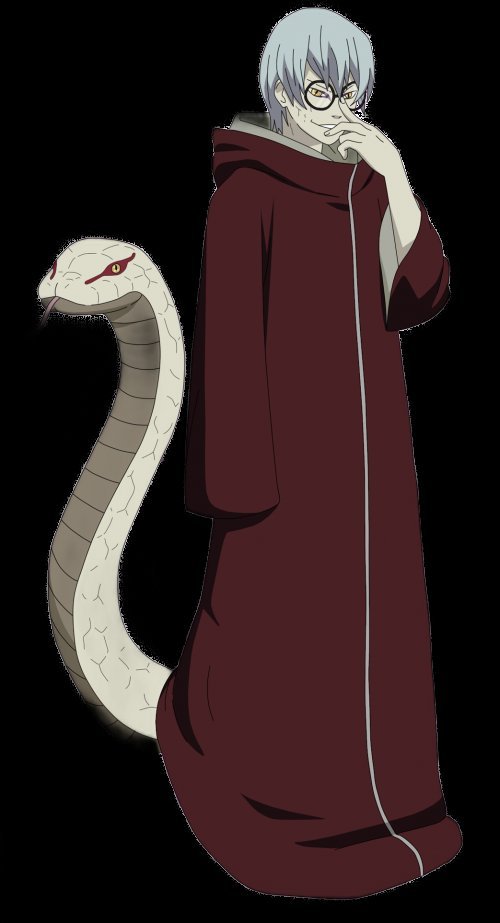
The most emotionally charged arc in Shikamaru's story. Asuma Sarutobi, his beloved sensei, is killed by Hidan of the Akatsuki. Shikamaru's grief transforms into cold determination. He leads Team 10 on a revenge mission, devising an elaborate plan that uses Hidan's own cursed ritual against him. Shikamaru traps Hidan, cuts his ritual circle, and buries him alive in the Nara clan forest. The arc culminates with Shikamaru lighting Asuma's funeral cigarette and finally allowing himself to grieve, marking his transition from student to fully independent shinobi.
Fourth Great Ninja War Arc
Shikamaru serves as a battlefield strategist for the Allied Shinobi Forces, coordinating troop movements and devising counter-strategies against the reanimated shinobi and White Zetsu Army. He works alongside his father Shikaku Nara, the previous strategic commander. After Shikaku's death, Shikamaru takes over command, proving he has surpassed his father. He helps formulate the plan to seal Kaguya and survives the war to serve as Naruto's advisor in the new era.
Relationships
Naruto Uzumaki: Shikamaru and Naruto share a deep friendship built on mutual respect. Shikamaru recognizes Naruto's potential early and often supports him with strategic advice. After becoming Hokage, Naruto relies on Shikamaru as his chief advisor and right hand. Their bond is one of complementary strengths: Naruto's charisma and determination paired with Shikamaru's intellect and tactical acumen.
Asuma Sarutobi: Shikamaru's sensei and the most influential figure in his life. Asuma taught Shikamaru that the king in shogi represents the person you must protect above all others — a lesson Shikamaru carries for the rest of his life. Asuma's death is the single most defining event in Shikamaru's character arc, transforming him from a lazy genius into a dedicated shinobi.
Temari: Shikamaru's eventual wife. They meet during the Chunin Exams, where Temari is the kunoichi of the Sand Village. Their relationship develops over the series through their shared experiences in battle and their contrasting personalities: Temari's aggressive directness balances Shikamaru's laid-back evasiveness. They marry and have a son, Shikadai.
Choji Akimichi and Ino Yamanaka (Team 10): Shikamaru's teammates are his closest friends. Choji is his best friend since childhood, and Ino has been his teammate since the Academy. Their teamwork under Asuma's leadership is a highlight of the series. Shikamaru's loyalty to both is absolute.
Cultural Impact
Shikamaru Nara is among the most popular characters in the Naruto franchise, consistently ranking in the top 5 in official popularity polls. In the first Naruto character poll, he placed 5th. By the sixth poll, he had risen to 4th, and in global polls, he often ranks among the top 10 most beloved characters in all of Shonen Jump history. His catchphrase "what a drag" (or "troublesome") has entered everyday anime fan vocabulary.
Shikamaru's role as the lazy genius who steps up when it matters has resonated with audiences worldwide. His story of a gifted person learning to apply himself is relatable to fans of all ages. His revenge against Hidan is frequently cited as among the most satisfying and well-executed revenge arcs in anime — calculated, cold, and thematically appropriate. The scene where he lights Asuma's cigarette and weeps is considered among the most emotionally devastating moments in Naruto.
Shikamaru appears in every Naruto video game, often as a fan-favorite character due to his tactical-based moveset. His relationship with Temari is among the most popular pairings in the Naruto fandom. As an adult, Shikamaru represents the weight of responsibility and the cost of leadership. His gray-streaked hair in Boruto and permanent tired expression serve as a visual reminder that genius comes with a price.
Frequently Asked Questions
Why does Shikamaru say "troublesome" all the time?
Shikamaru's catchphrase reflects his lazy personality and his tendency to avoid unnecessary effort. He finds most activities troublesome because his 200+ IQ makes routine tasks feel boring. However, the phrase becomes ironic as the series progresses: Shikamaru constantly involves himself in the most troublesome situations possible, from leading the Sasuke Retrieval Squad to avenging Asuma to serving as the Hokage's advisor. His actions contradict his words, showing that he cares more than he admits.
What is Shikamaru's rank in Boruto?
In Boruto, Shikamaru holds the rank of Jonin and serves as the chief strategist and top advisor to the Seventh Hokage, Naruto Uzumaki. He works directly in the Hokage's office, managing village affairs, intelligence operations, and strategic planning. Despite his desk job, he retains his combat capability and occasionally participates in field missions when the situation demands his tactical expertise.
Does Shikamaru play shogi in the series?
Yes, Shikamaru frequently plays shogi (Japanese chess) throughout the series. He is first shown playing against the Third Hokage as a child, and shogi becomes a recurring motif for his strategic thinking. Asuma taught him that the king piece represents the person you must protect above all others. Shikamaru continues to play shogi as an adult, often using it to relax or to think through complex problems.
How did Shikamaru get the scar on his face?
Shikamaru has a small scar on the left side of his chin, but its origin is never explicitly shown in the manga or anime. Fans speculate it may have come from training, a mission, or his battle with Hidan. Unlike many characters whose scars have detailed backstories, Shikamaru's scar is a minor detail that adds to his experienced shinobi appearance without needing special explanation.
What episode does Shikamaru become Chunin?
Shikamaru is promoted to Chunin in Naruto Episode 110, titled "The Chunin Exam of Chills and Challenges!" This is the episode immediately following the conclusion of the Chunin Exams, where the proctors determine that Shikamaru is the only participant worthy of promotion based on his tactical performance and leadership during the exams, despite forfeiting his final match.