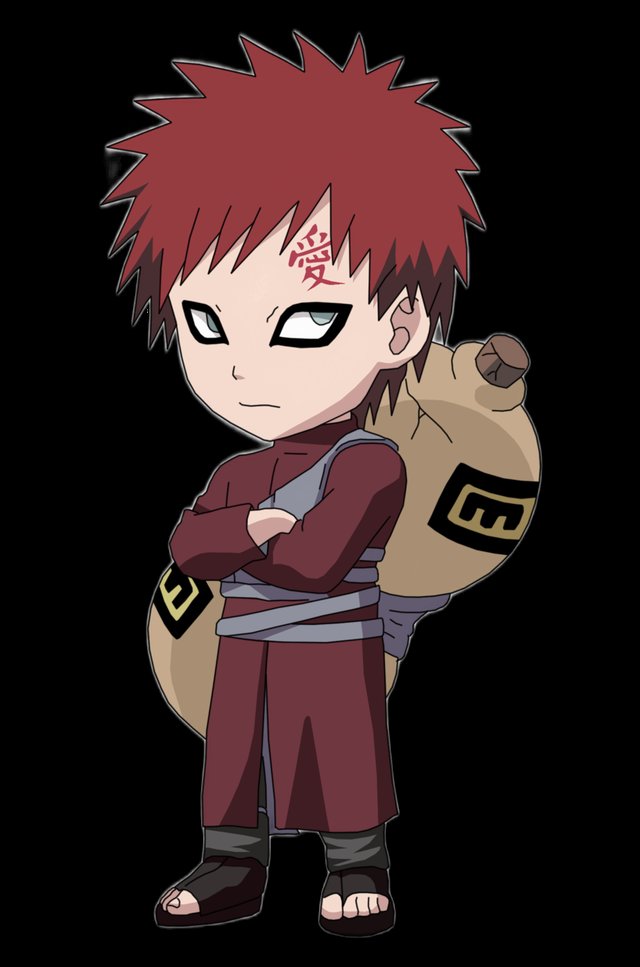
Overview
Sunagakure, meaning "Village Hidden in the Sand," is the hidden village of the Land of Wind, one of the Five Great Shinobi Villages. Located in one of the harshest environments in the shinobi world, Sunagakure is built within a desert that offers little natural resources but has shaped its shinobi into some of the most resilient and resourceful fighters in existence. As the village of the Kazekage, Sunagakure is known for its mastery of sand-based techniques, its renowned puppeteer corps, and its status as the home village of Shukaku, the One-Tailed Beast.
The village's architecture is designed to withstand the extreme desert climate, with thick-walled buildings that insulate against both scorching heat and freezing nights. Underground passages connect key facilities, providing shelter from sandstorms and tactical advantages in defense. Sunagakure's economy has historically been strained by the Land of Wind's limited resources, making the village the poorest of the Five Great Shinobi Villages. This economic pressure led Suna to rely heavily on mission income and military contracts, and occasionally made the village vulnerable to manipulation by wealthier nations.
Throughout the Naruto series, Sunagakure undergoes a remarkable transformation under the leadership of the Fifth Kazekage, Gaara. From a village that feared and isolated its jinchuriki to one that embraced him as a leader, Sunagakure's evolution mirrors Gaara's personal journey from lonely monster to beloved Kage. The village forges the strongest alliance in the shinobi world with Konohagakure, contributes decisively to the Allied Shinobi Forces during the Fourth Great Ninja War, and emerges in the Boruto era as a progressive, stable, and respected member of the international community.
History & Founding
Sunagakure was established as one of the original Five Great Shinobi Villages during the founding era following the Warring States Period. The First Kazekage, Reto, unified the desert shinobi clans of the Land of Wind, creating a village that could survive and thrive in the harsh desert environment. The village's early development focused on water conservation techniques, heat-resistant construction, and the development of sand-based combat arts that leveraged the abundant natural material. The First Kazekage also established Sunagakure's tradition of puppetry, which would become one of the village's signature combat styles.
The Second Kazekage, Shamon, focused heavily on military fortification and the development of secret techniques. He commissioned the construction of underground bunkers and escape tunnels that connected the entire village, making Sunagakure one of the most defensible hidden villages despite its exposed desert location. He also formalized the puppeteer training program, establishing the Puppet Brigade as a distinct military division. Under his leadership, Sunagakure developed the magnetic manipulation techniques that would later be refined into the Iron Sand and Gold Sand abilities of future Kazekage.
The Third Kazekage, whose name was lost to history, was considered the strongest Kazekage before Gaara. He mastered Iron Sand, a kekkei genkai that allowed him to manipulate magnetized iron particles, creating weapons, defensive barriers, and devastating area-of-effect attacks. His power was so great that he was said to be the strongest shinobi in Sunagakure's history. However, he was assassinated by Sasori of the Red Sand, a Suna prodigy who turned his genius toward darker purposes. Sasori converted the Third Kazekage into a human puppet, making the former Kage one of his most powerful weapons.
The Fourth Kazekage, Rasa, was Gaara's father and a master of Gold Dust manipulation, a variation of magnetic release that used gold particles instead of iron. Rasa's reign was marked by his desperate attempts to control Shukaku through Gaara, subjecting his own son to assassination attempts and isolation. Rasa's Gold Dust technique was specifically developed to counter Shukaku's sand manipulation, prioritizing control over the tailed beast above all other concerns. Rasa was killed during the Konoha Invasion arc by Orochimaru, who had infiltrated the Chunin Exams disguised as the Kazekage. His death left Sunagakure without a leader, creating a power vacuum that Gaara would eventually fill.
Leadership & Government
Sunagakure's government is centered on the Kazekage, the village's supreme military and political leader. The Kazekage traditionally inherited the position through a combination of hereditary succession and proven ability, with the First through Fourth Kazekage following a lineage that culminated in Rasa's rule over his children Gaara, Temari, and Kankuro. Gaara's appointment as Fifth Kazekage broke from tradition, as he was selected for his personal transformation, his unmatched combat power, and his unique understanding of what it meant to be Sunagakure's jinchuriki. At the time of his appointment, Gaara was the youngest Kage in the history of the hidden villages.
The Kazekage is supported by a council of senior shinobi and clan elders who advise on policy matters. Notable advisors include Baki, a senior jonin who served under both Rasa and Gaara, and Ebizo, Chiyo's brother and a respected elder. The village maintains a military structure similar to other hidden villages, with jonin leading squads of chunin and genin on missions. Sunagakure also operates a specialized Medical Corps that has developed expertise in treating desert-related injuries and poison, reflecting the village's unique environmental challenges and its puppeteers' reliance on venomous weapons.
Sunagakure's Puppet Brigade is the village's most distinctive military institution. Led by the Head Puppeteer, historically Chiyo and later Kankuro, this specialized unit develops, maintains, and deploys combat puppets. The brigade's workshops produce puppets with various specialized functions, including close combat, ranged attacks, poison dispersal, and reconnaissance. The Ten Puppets of Chikamatsu, created by the legendary puppeteer Monzaemon Chikamatsu, are considered national treasures of Sunagakure, capable of performing complex coordinated attacks under a single puppeteer's control. Kankuro's Crow-Black Ant-Salamander set represents the modern evolution of this art form.
Gaara's leadership transformed Sunagakure's government from a militaristic, secretive regime into a transparent, diplomatically engaged administration. He established open communication with his citizens, personally conducted diplomatic missions to other villages, and prioritized economic development and education over military expansion. Gaara's policy of transparency included publicly acknowledging Sunagakure's past mistakes in his own jinchuriki treatment and implementing reforms to protect future jinchuriki. Under his leadership, Sunagakure became a model of how a hidden village could balance military readiness with humanitarian values and international cooperation.
Notable Landmarks
The Kazekage's Palace is the administrative center of Sunagakure, a fortress-like structure built into the largest rock formation in the village. The palace is designed to withstand both sandstorms and military attacks, with thick sandstone walls and strategic defensive positions. Unlike the exposed Hokage Mountain of Konoha, the Kazekage's Palace is intentionally austere and defensive, reflecting Sunagakure's historically precarious position. The palace includes audience chambers, administrative offices, and the Kazekage's private quarters, which Gaara notably kept simple and undecorated, consistent with his practical personality.
The Puppet Workshop District is a unique neighborhood where puppeteers live, train, and craft their puppets. The district is filled with workshops, each specializing in different aspects of puppet creation: carving, mechanics, weapon integration, and poison application. The streets are lined with display cases showing finished puppets, and the air carries the sounds of hammering and mechanical testing. The Chikamatsu Puppet Museum houses historical puppets, including the original Ten Puppets of Chikamatsu and prototypes created by legendary puppeteers throughout Sunagakure's history. Kankuro's workshop is the most advanced in the district, featuring modern tools and materials.
The Desert Training Grounds stretch for kilometers beyond the village walls, featuring natural rock formations, hidden oasis, and artificial structures for combat training. Suna shinobi train in extreme heat, sandstorms, and low-visibility conditions, developing the endurance and adaptability that make them formidable fighters. The most challenging training area is the Great Sand Dune, a massive slope of loose sand that shifts constantly, forcing shinobi to maintain perfect chakra control just to stand. Hidden within the training grounds are sealed chambers where Gaara once trained to control Shukaku, now serving as historical sites for young shinobi studying jinchuriki history.
The Underground Water Reservoirs are vital infrastructure that made Sunagakure's survival possible in the desert. These massive caverns beneath the village collect and store water from underground aquifers and seasonal rainfall, distributed through an extensive network of channels to every building in the village. The reservoirs are heavily guarded as strategic assets, and their maintenance is considered a sacred duty. During the Boruto era, Gaara's diplomatic efforts secured funding from the other great villages to expand the reservoir system, ensuring Sunagakure's long-term sustainability and reducing one of its greatest strategic vulnerabilities.
Role in the Shinobi World
Sunagakure's position among the Five Great Shinobi Villages has always been complicated by its economic weakness. As the poorest of the great villages, Sunagakure has historically been the most vulnerable to manipulation and the most dependent on mission income. This economic pressure led the village into the disastrous alliance with Orochimaru during the Konoha Invasion, where the Fourth Kazekage was killed and Suna's forces were used as pawns in Orochimaru's scheme. However, this low point also catalyzed Sunagakure's transformation, as the younger generation led by Gaara recognized that the village's survival depended on reform rather than aggression.
Sunagakure's alliance with Konohagakure is the strongest bilateral relationship between any two hidden villages in the Naruto series. The alliance was forged through the personal friendship between Gaara and Naruto Uzumaki, beginning with Naruto's victory over Gaara during the Chunin Exams, which planted the seeds of Gaara's transformation. When Gaara became Kazekage, he rebuilt the alliance on a foundation of mutual respect and trust, a decision validated when Konoha launched an immediate rescue mission when Gaara was captured by the Akatsuki. The depth of this alliance was unprecedented, with both villages treating each other's security as their own.
During the Fourth Great Ninja War, Sunagakure committed its full military strength to the Allied Shinobi Forces. Gaara played a crucial leadership role, serving as one of the war's most effective battlefield commanders. His ability to sense and communicate across vast distances using his sand made him invaluable for coordinating the alliance's forces. Gaara also played a key role in convincing the other Kage to accept Naruto's involvement in the war and protecting Naruto during the battle against Obito and Madara. Temari and Kankuro also fought prominently, with Kankuro's puppets proving effective against the reanimated shinobi army.
In the Boruto era, Sunagakure under Gaara has become a prosperous and influential member of the international community. Gaara's diplomatic efforts have secured economic aid, trade agreements, and infrastructure investment from the other great villages, lifting Sunagakure from its historical poverty. The village has become a center for cultural exchange, with its puppetry arts gaining international recognition. Gaara's adopted son Shikadai Nara represents the enduring bond between Suna and Konoha, symbolizing a future where the old divisions between hidden villages have been replaced by genuine friendship and cooperation.
Frequently Asked Questions
Who founded Sunagakure?
Sunagakure was founded by the First Kazekage, Reto, who unified the shinobi clans of the Land of Wind following the Warring States Period. The village was established in the harsh desert environment, which shaped its unique ninja arts including puppetry and sand manipulation. Reto established the Kazekage lineage and built the village's defensive fortifications against the harsh desert elements.
Who are the Kazekage of Sunagakure?
The five known Kazekage are: Reto (First), who founded the village; Shamon (Second), who focused on military fortification; an unnamed Third Kazekage who mastered Iron Sand and was killed by Sasori; Rasa (Fourth), Gaara's father who used Gold Dust; and Gaara (Fifth), the youngest Kazekage in history who transformed from a feared jinchuriki into one of the most respected Kage. Gaara's ascension represented the most dramatic personal transformation of any Kage in Naruto history.
What is Sunagakure known for?
Sunagakure is primarily known for three specialties: Sand Release manipulation, puppetry techniques, and being the jinchuriki village of Shukaku the One-Tail. The village's puppeteers, led historically by Chiyo and later by Kankuro, create and control mechanical puppets with various weapons and traps. Sand Release allows Suna shinobi to control sand for both defensive and offensive purposes. Gaara ended the practice of using jinchuriki as military deterrents upon becoming Kazekage.
How did Gaara become Kazekage?
Gaara's journey to Kazekage began with his defeat by Naruto Uzumaki during the Chunin Exams, which started his transformation from a murderous loner into a responsible leader. After his father Rasa's death, Gaara was appointed Fifth Kazekage due to his immense power, his reformed character, and his unique understanding of what it meant to be Sunagakure's jinchuriki. Under his leadership, Sunagakure transformed from a militaristic, isolationist village into a cooperative member of the shinobi world.
What is Sunagakure's relationship with Konohagakure?
Sunagakure and Konohagakure share the strongest alliance between any two hidden villages, forged through the personal friendship between Gaara and Naruto. Historically allies during the Great Ninja Wars, the relationship was strained when Orochimaru manipulated Suna into invading Konoha during the Chunin Exams. After Gaara became Kazekage, he rebuilt the alliance on mutual respect. The two villages maintain close military cooperation, economic partnerships, and a personal bond between their Kage that transcends formal diplomacy.