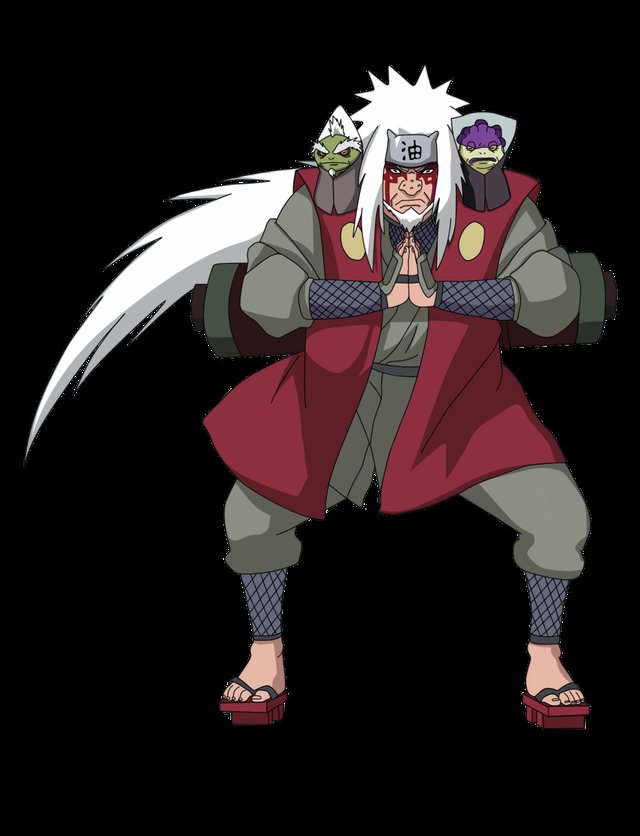
What Is the Summoning Jutsu?
The Summoning Jutsu (Kuchiyose no Jutsu) is a space-time ninjutsu that allows a shinobi to transport animals, objects, or people across vast distances instantaneously. The technique functions by establishing a dimensional link between the user and the summoned entity, pulling the target from its current location to the user's position. Unlike most ninjutsu that manipulate existing matter or chakra, the Summoning Jutsu operates on the fundamental principles of space-time manipulation — the same category of techniques as the Flying Thunder God Technique and Kamui.
The most iconic use of the Summoning Jutsu in the Naruto series is the summoning of animal allies through blood contracts. A shinobi signs a contract written in their own blood with a specific animal clan — such as the Toads, Snakes, or Slugs — and can then summon members of that clan by performing the required hand seals and swiping blood across their palm. The amount of chakra invested determines the size and power of the summoned creature. Jiraiya's ability to summon Gamabunta, the massive toad chief, required enormous chakra reserves that only a handful of shinobi in history have possessed.
The Summoning Jutsu first appears in the Naruto series during the Forest of Death segment of the Chunin Exams (episode 47), when Orochimaru summons a massive snake during his confrontation with Team 7. Later, the technique becomes central to many major battles, including the Sasuke Retrieval Arc where the Sound Four use summoning creatures, and the Fourth Great Ninja War where the Allied Shinobi Forces coordinate mass summonings for transportation and combat support.
How Summoning Works
The Summoning Jutsu requires three essential components: a blood contract, specific hand seals, and sufficient chakra. The blood contract establishes a permanent pact between the user and the summoned clan, creating a spiritual bond that allows the user to call upon clan members at will. Without this contract, the summoning cannot function — the space-time link has no destination to connect to. Contracts are typically stored on large scrolls with the signatory's name written in blood, and signing a new contract is a significant ceremonial act in the Naruto universe.
The hand seal sequence for the standard Summoning Jutsu follows the Boar, Dog, Bird, Monkey, and Ram pattern — five seals that must be performed with precise speed and accuracy. After completing the seals, the user swipes blood across their palm (often by biting their thumb) and slaps the ground. The blood serves as the chakra conduit, creating the dimensional bridge between the user's location and the summoned creature's location. The resulting puff of smoke and the emergence of the summoned entity are the most recognizable visual effects in the entire Naruto series.
Chakra investment determines the summoned creature's size, power, and duration. A small chakra investment summons a small creature for a short duration, while maximum chakra investment can summon the clan leader — such as Gamabunta, Katsuyu, or Manda — for extended periods. The user's chakra reserves directly limit what they can summon. Naruto, with his massive chakra reserves as a jinchuriki, could summon Gamabunta from early in the series (episode 133 during the fight against Gaara), while most shinobi can only summon small to medium-sized creatures. Sage Mode and Six Paths power can further amplify summoning capability beyond normal limits.
Types of Summons
The Naruto universe features numerous summoning clans, each with unique attributes, combat specialties, and relationships with their summoners. These clans are more than simple tools — they are sentient beings with their own cultures, hierarchies, and personalties that often play significant roles in the storyline.
Toad Clan (Mount Myoboku). The most prominent summoning clan in the series, the Toads are associated with the Sage arts and serve as the primary summons for Jiraiya, Naruto Uzumaki, and Minato Namikaze. The Toad clan's contract has been passed down through three generations of Toad Sages. Members include Gamabunta (the Toad Chief, first summoned by Jiraiya in episode 95), Gamakichi (Naruto's primary toad companion, originally the size of a small puppy but growing to enormous size by the Fourth Great Ninja War), Shima and Fukasaku (the Elder Toad Sages who can fuse with human summoners to grant Sage Mode), and Gamaken (Jiraiya's toad with a spear and shield). The Toads are unique among summoning clans in that they can teach humans Senjutsu (Sage Mode) from Mount Myoboku, making them both combat allies and training masters.
Snake Clan (Ryuchi Cave). The primary summoning clan for Orochimaru and Kabuto Yakushi. The Snakes are characterized by their cunning, poison-based attacks, and association with forbidden jutsu research. Key members include Manda (the massive Snake King, arrogant and demanding, killed during Deidara's C0 explosion in Shippuden episode 121), Aoda (Sasuke's primary snake summon in the Shippuden and Boruto series, first appearing during the Five Kage Summit arc), and Manda II (Kabuto's enhanced snake summon created through genetic modification). Unlike the Toads' cooperative relationship with their summoners, the Snake Clan operates on a power-based hierarchy — Orochimaru maintained control through fear rather than respect, and Manda demanded live sacrifices before agreeing to be summoned.
Slug Clan (Shikkotsu Forest). The slug summons serve the Senju clan and later Tsunade and Sakura Haruno. The Slug Clan is represented by Katsuyu, a giant slug capable of dividing into thousands of smaller slugs for healing and communication purposes. Katsuyu's primary ability is medical — she can heal multiple people simultaneously, transfer chakra between allies, and act as a communication network across vast distances. During Pain's invasion of Konoha (Shippuden episode 168), Katsuyu divided into thousands of segments to protect and heal every injured villager simultaneously while relaying real-time tactical information. Unlike the Toads (combat-focused) and Snakes (attack-focused), the Slug Clan is support-oriented, reflecting Tsunade's philosophy that a ninja's primary duty is to protect life.
Other Summoning Clans. Several additional summoning contracts appear throughout the series. The Nara Clan summons shadow-enhanced deer for tactical support. The Aburame Clan summons insects through their body's symbiotic relationship with kikaichu beetles. The Monkey Summoning contract was held by the Third Hokage, Hiruzen Sarutobi, who could summon the Monkey King Enma. The Dog Summoning contract was used by Kakashi's ninken (eight specialized tracking dogs), though this unique bond may be a bloodless variant. The Ninja Cat contract was referenced through the cats used by the Konoha Cat Cafe owner and later by Naruto during his Toad training. The Giant Turtle island summon was used by the Allied Shinobi Forces during the Fourth Great Ninja War as a mobile base of operations.
Notable Summoners and Contracts
Jiraiya. The Toad Sage held the Toad Clan contract before passing it to Naruto. Jiraiya could summon multiple toads simultaneously, including Gamabunta, Gamaken, and the Elder Toad Sages. His ability to enter Sage Mode by merging with Shima and Fukasaku made him one of the most powerful summoner-ninja in history. Jiraiya's final battle against Pain (manga chapters 369-383) demonstrated the full extent of his summoning mastery, as he coordinated toad attacks with Sage Mode techniques against the Six Paths of Pain. His death marked the end of an era for the Toad Clan's direct partnership with Konoha.
Naruto Uzumaki. Inherited the Toad Clan contract from Jiraiya and became the most powerful Toad summoner in history. Naruto's unique connection with the Toads stems from his pure-hearted nature — Gamabunta, who initially refused to acknowledge anyone but Jiraiya, developed deep respect for Naruto after their partnership against Gaara's Shukaku (episode 133). During the Fourth Great Ninja War, Naruto could summon multiple giant toads simultaneously while maintaining Sage Mode and Kurama's chakra cloak, demonstrating summoning capability on a level never before achieved. His bond with Gamakichi, in particular, grew from a comedic puppy-sized toad relationship into a genuine partnership of equals.
Tsunade and Sakura Haruno. Both wield the Slug Clan contract through Katsuyu. Tsunade's mastery of Katsuyu was demonstrated during the Pain invasion, where the giant slug divided into thousands of segments to heal the entire Leaf Village. Sakura inherited the contract from Tsunade and demonstrated her own mastery during the Fourth Great Ninja War, using Katsuyu to heal thousands of Allied Shinobi simultaneously and to amplify her own Strength of a Hundred Seal technique. The Slug Clan's healing specialization makes Tsunade and Sakura unique among summoners — they do not summon for combat power but for life-saving support.
Orochimaru and Kabuto Yakushi. The Snake Clan's primary summoners. Orochimaru's relationship with Manda was transactional rather than cooperative — Manda demanded respect and sacrifices, and Orochimaru obliged through a combination of fear and bribery. Kabuto surpassed Orochimaru by not only mastering the Snake Clan but also through genetic experimentation that created Manda II. The Snake Clan's association with forbidden jutsu research and poison techniques makes them the morally ambiguous counterpart to the Toads' heroism and the Slugs' compassion.
Hiruzen Sarutobi. The Third Hokage held the Monkey Summoning contract and could summon the Monkey King Enma. Enma could transform into a diamond-hard staff (the Adamantine Staff) that Hiruzen used as both a weapon and a defensive tool. Their partnership was one of the most respected in the series, with Enma serving as both a combat ally and a trusted advisor. Hiruzen summoned Enma during the Konoha Crush arc against Orochimaru (episode 80-81), and Enma's refusal to abandon Hiruzen even when facing death demonstrated the deep bond between summoner and summon.
Minato Namikaze. The Fourth Hokage held the Toad Clan contract before Jiraiya and mastered toad summoning alongside his Flying Thunder God Technique. Minato's signature strategy involved summoning Gamabunta to create openings for his teleportation-based attacks. His most famous summoning feat was during the Nine-Tailed Fox attack on Konoha (manga chapter 503), where he summoned Gamabunta to hold Kurama in place while he performed the Dead Demon Consuming Seal. Minato's summoning technique was notable for its precision — he could summon specific toads to exact locations with minimal hand seal delay.
Tactical Applications
The Summoning Jutsu has far more tactical applications than simply bringing a combat ally to the battlefield. Skilled summoners have discovered numerous creative uses for the technique that transform it from a simple summoning tool into a versatile combat and utility system.
Combat Support. The most direct application is summoning a creature to fight alongside the user. The summoned creature provides flanking support, absorbs enemy attacks, and can exploit elemental advantages against specific opponents. Jiraiya's combination of toad summoning with Fire Release techniques created devastating synchronized attacks. Sakura's use of Katsuyu for mass healing during the Fourth Great Ninja War transformed the entire battlefield dynamic, keeping the Allied Shinobi Forces operational despite sustained casualties. The combat value of a properly summoned ally often exceeds the chakra cost, making summoning one of the most efficient techniques in the series.
Transportation and Mobility. Summoned creatures can serve as mounts for rapid transportation across any terrain. Gamakichi carried Naruto across the ocean during the search for the missing jinchuriki. The Allied Shinobi Forces summoned the Giant Turtle as a mobile base during the Fourth Great Ninja War. Reverse Summoning — where the summoner is pulled to the summoned creature's location — is a rare variant that allows for instant long-distance travel. Jiraiya used Reverse Summoning to travel to and from Mount Myoboku for Sage Mode training, and Naruto later used the same method.
Communication and Reconnaissance. Katsuyu's division ability makes her the ultimate communication tool — each divided segment acts as a two-way communicator, allowing Tsunade to coordinate the entire village during the Pain invasion. Smaller summons can be used for reconnaissance missions, scouting dangerous areas without risking human lives. Naruto frequently used small toads for scouting and information gathering during missions with Jiraiya, taking advantage of the Toads' ability to move undetected in various environments.
Defensive and Rescue Operations. Katsuyu's acid resistance and division ability make her ideal for defensive operations — she can shield civilians from attacks while healing them simultaneously. During the Pain invasion, Katsuyu protected and healed every Konoha citizen simultaneously, a feat that no other technique in the series could have accomplished. The Turtle summon provided mobile shelter for the Allied Shinobi Forces during the Fourth Great Ninja War, protecting them from the Ten-Tails' devastating attacks while allowing them to rest and recover between engagements.
Strategic Deception. The Summoning Jutsu's dramatic visual effect — the massive puff of smoke — can be used for tactical deception. Skilled summoners can conceal their true movements within the smoke screen created by a summoning, using the summoned creature as a decoy while the original attacks from an unexpected angle. Orochimaru frequently used this tactic, summoning snakes to distract opponents while positioning himself for a killing strike. Kabuto perfected this approach during the Fourth Great Ninja War, using summoned snakes to herd the Allied Shinobi Forces into trap positions.
Frequently Asked Questions
How does the Summoning Jutsu work?
The Summoning Jutsu works by establishing a space-time dimensional link between the user and the summoned entity. The user must sign a blood contract with the target clan, perform the Boar-Dog-Bird-Monkey-Ram hand seal sequence, swipe blood across their palm, and channel chakra through the blood to create the dimensional bridge. The amount of chakra determines the size and power of the summoned creature.
What are the three great summoning clans?
The three great summoning clans in the Naruto universe are the Toads of Mount Myoboku, the Snakes of Ryuchi Cave, and the Slugs of Shikkotsu Forest. Each clan has unique abilities and associations: Toads excel in combat and Sage Mode training, Snakes specialize in poison and forbidden jutsu, and Slugs focus on healing and support. The three great clans are connected to the three legendary Sannin: Jiraiya (Toads), Orochimaru (Snakes), and Tsunade (Slugs).
Can anyone learn the Summoning Jutsu?
Any shinobi with sufficient chakra reserves can theoretically learn the Summoning Jutsu, provided they sign a blood contract with a summoning clan. However, the chakra requirements are substantial — most Genin-level shinobi can only summon small creatures, and summoning clan leaders like Gamabunta requires chakra reserves on the level of a Kage or jinchuriki. The hand seal sequence is standardized and can be learned, but the chakra investment is the true limiting factor.
Can humans be summoned?
Yes, the Summoning Jutsu can be used to summon humans, though this is far less common than animal summoning. The Edo Tensei is technically a form of human summoning that resurrects and summons the souls of the deceased. The Impure World Reincarnation variant forcibly summons living humans against their will. The Reverse Summoning technique summons the user themselves to the location of a pre-placed summoning seal or creature. Sasuke was reverse-summoned by the Hawk summoning contract during the Five Kage Summit arc.
What is the strongest summoned creature in Naruto?
The strongest summoned creature in the Naruto series is debatable, but Katsuyu's feats during the Pain invasion arguably make her the most impactful. She simultaneously healed thousands of Konoha citizens and protected them from the Shinra Tensei's devastating force. Gamabunta's battle against Shukaku demonstrated massive combat power. However, the Ten-Tails itself could be considered a summoning, as Hagoromo Otsutsuki summoned it from the moon. Among standard contract summons, the Elder Toad Sages (Shima and Fukasaku) are the most influential due to their ability to teach Sage Mode and their knowledge of ancient shinobi history.
External Sources
For readers interested in deeper exploration of the Summoning Jutsu, the following external resources provide comprehensive information about the technique's lore, mechanics, and narrative significance:
- Summoning Technique — Naruto on Wikipedia — General overview of the Summoning Jutsu in the Naruto series.
- Summoning Technique — Naruto Fandom Wiki — Detailed breakdown of all summoning contracts, clans, and techniques with manga and anime references.
- Naruto — MyAnimeList — Official series page with episode guides, character profiles, and community ratings for the original Naruto anime.