# Overview
The Uzumaki clan is one of the most ancient and storied bloodlines in the shinobi world, recognized for their extraordinary life force, prodigious chakra reserves, and unparalleled mastery of sealing jutsu (fuinjutsu). As distant blood relatives of the Senju clan, the Uzumaki share a common lineage tracing back to Ashura Otsutsuki, the younger son of Hagoromo Otsutsuki. This shared ancestry explains the clan's exceptional physical vitality and their unique ability to serve as jinchuriki — living containers for tailed beasts. Indeed, the very term "Uzumaki" means "whirlpool" or "spiral," reflecting both the clan's sealing techniques, which often feature spiral patterns, and their origin from Uzushiogakure, the Village Hidden in Eddies.
The Uzumaki clan's influence on the Naruto storyline is profound and often understated. Mito Uzumaki became the first Nine-Tails jinchuriki, establishing the tradition of Uzumaki women as containers for Kurama within Konoha. Kushina Uzumaki, Naruto's mother, was the second jinchuriki and passed down not only her bloodline but also her fierce will and indomitable spirit. Naruto Uzumaki himself embodies the clan's defining traits — overwhelming chakra reserves, rapid healing, and an unbreakable will that drives him to overcome impossible odds. Without the Uzumaki clan's unique physiological qualities, the entire jinchuriki system that forms the backbone of the Naruto series would never have been possible.
Beyond Naruto's immediate family, the Uzumaki clan's sealing techniques form the foundation of many critical jutsu used throughout the series. The Dead Demon Consuming Seal (Shiki Fujin), the Eight Trigrams Sealing Style, and the Reaper Death Seal all originate from Uzumaki fuinjutsu knowledge. Members like Nagato Uzumaki wielded the Rinnegan and controlled the six paths of Pain, while Karin demonstrated the clan's healing abilities and chakra sensing. Despite the clan's near-total destruction when Uzushiogakure fell, the scattered survivors carried their knowledge and bloodline across the ninja world, ensuring the Uzumaki legacy would survive to shape the fate of the entire shinobi system.
# History & Origins
The Uzumaki clan hails from Uzushiogakure, the Village Hidden in Eddies, a hidden village located in a land known for its swirling coastal waters. As cousins to the Senju clan of Konohagakure, the Uzumaki maintained close diplomatic ties with the First Hokage Hashirama Senju's village. This alliance was sealed through marriage when Hashirama wed Mito Uzumaki, the first jinchuriki of the Nine-Tailed Fox. The close bond between the two villages was symbolized in Konoha's traditional shinobi uniforms, which feature the distinctive red spiral pattern derived from the Uzumaki clan's crest — a pattern that appears on nearly every Konoha flak jacket seen throughout the series.
Despite their power and renowned sealing expertise, the Uzumaki clan was nearly annihilated during the destruction of Uzushiogakure. Other nations, fearing the clan's formidable fuinjutsu capabilities and the strategic advantage they provided, formed a coalition to eliminate the threat. The exact details of the village's fall remain shrouded in mystery, but it is known that the other great shinobi countries perceived Uzushiogakure's sealing arts as too dangerous to be left unchecked. The village was razed, and the Uzumaki clan's members were scattered across the ninja world as refugees. Many died during the assault, and the survivors were forced to conceal their heritage to avoid persecution, which is why the clan's once-prolific knowledge of sealing techniques became fragmented and rare over subsequent generations.
Following Uzushiogakure's destruction, surviving Uzumaki members found refuge in various villages. Some, like Nagato's family, settled in Amegakure (the Rain Village), where they lived in poverty and fear during the constant wars that plagued the region. Karin's mother brought her to Kusagakure (the Grass Village), where they were exploited for their healing abilities. Kushina, as a child, was brought directly to Konohagakure to become the new Nine-Tails jinchuriki after Mito's health began to fail. The Third Hokage and Konoha's leadership believed that only an Uzumaki — with their exceptional vitality and chakra — could safely contain Kurama's immense power. This decision, made decades before Naruto's birth, set in motion the chain of events that would define the series' central narrative.
# Sealing Jutsu Mastery
The Uzumaki clan's most celebrated legacy is their unrivaled mastery of fuinjutsu, the art of sealing. Uzumaki sealing techniques are woven into the very fabric of the Naruto universe's power system, affecting everything from tailed beast containment to spirit summoning and chakra suppression. The clan's sealing methods are characterized by intricate arrays of kanji characters that form concentric circles and spirals, often activated by precisely controlled chakra flow. These techniques require both exceptional intelligence and immense chakra reserves — two qualities the Uzumaki possess in abundance. The spiral patterns that define Uzumaki seals are not merely decorative; they reflect the clan's philosophical understanding that power, like water in a whirlpool, can be channeled, contained, and redirected through proper application of will.
One of the most devastating sealing techniques created by the Uzumaki is the Dead Demon Consuming Seal (Shiki Fujin). This forbidden jutsu, used by both the Third Hokage Hiruzen Sarutobi and the Fourth Hokage Minato Namikaze, summons the Shinigami (Death God) to seal the target's soul into the user's own body at the cost of the user's life. Minato used this technique to seal half of the Nine-Tails' chakra within himself during the Nine-Tails attack, while Hiruzen used it to seal the souls of the First and Second Hokage, as well as Orochimaru's arms. The Reaper Death Seal represents the ultimate expression of Uzumaki sealing philosophy — a technique so powerful that it transcends the boundaries between life and death, operating on the level of the soul itself.
The Eight Trigrams Sealing Style (Hakke no Fuin Shiki) is another cornerstone of Uzumaki fuinjutsu, which Minato Namikaze adapted into the Eight Trigrams Sealing Style that contains the Nine-Tails within Naruto. This seal is designed as a multi-layered containment system: if the outer seal weakens, the Eight Trigrams Seal activates to forcibly repress the biju's chakra. Kurama's chakra leaking through the seal over time is what gives Naruto his characteristic red chakra cloak and the tailed beast forms that emerge during moments of intense emotion. The Adamantine Sealing Chains (Kongo Fusa), wielded by Kushina Uzumaki and later by Karin, are another signature Uzumaki technique — chains forged from the user's own life force that can bind and restrain even tailed beasts. Kushina's chains were powerful enough to pin down the full Nine-Tails during its rampage, demonstrating the extraordinary potency of Uzumaki bloodline abilities.
# Uzumaki Vitality & Longevity
What truly sets the Uzumaki clan apart from nearly every other bloodline in the shinobi world is their superhuman vitality and longevity. Uzumaki members possess life forces so robust that they can survive injuries that would be fatal to ordinary shinobi. This exceptional vitality is directly tied to their Senju lineage — both clans inherited immense physical energy from their progenitor Ashura Otsutsuki. However, the Uzumaki seem to have concentrated this inheritance even further, developing chakra reserves that dwarf those of most other shinobi. Naruto, as a child with zero formal training, possessed four times the chakra of an elite jonin like Kakashi Hatake, and this was before Kurama's chakra began mixing with his own reserves.
The clan's longevity is equally remarkable. Mito Uzumaki lived well beyond the typical human lifespan, surviving into extreme old age while containing the Nine-Tails within her body for decades. This longevity was not merely a function of her jinchuriki status — her Uzumaki physiology was what made her suitable to become a jinchuriki in the first place. The clan's healing factor is also extraordinary; Kushina survived the extraction of the Nine-Tails long enough to speak her final words to Naruto, whereas most jinchuriki die immediately upon biju extraction. Karin demonstrated similar regenerative capabilities, able to heal herself from severe injuries by biting her own flesh and using her chakra to accelerate tissue regeneration. This healing ability made her an invaluable asset to both Orochimaru and Sasuke's Hebi/Taka squad.
The Uzumaki vitality also manifests as an innate resistance to genjutsu. Naruto, despite having minimal genjutsu training, proved resistant to even powerful illusion techniques due to his overwhelming chakra reserves that naturally disrupt foreign chakra infiltration. Additionally, Uzumaki chakra has a unique "life-giving" quality. When Naruto shared his chakra with others during the Fourth Great Ninja War, recipients experienced not just a power boost but actual physical healing and regeneration. This lifesaving property of Uzumaki chakra was instrumental in reviving Guy after his Eight Gates Released Formation nearly killed him, and it allowed Kakashi to continue fighting after being pushed beyond his limits. The clan's vitality is not merely a combat advantage — it is the underlying reason the Uzumaki were chosen as the tailed beasts' containers, making them the unsung enablers of the entire jinchuriki system.
# Key Members
Naruto Uzumaki
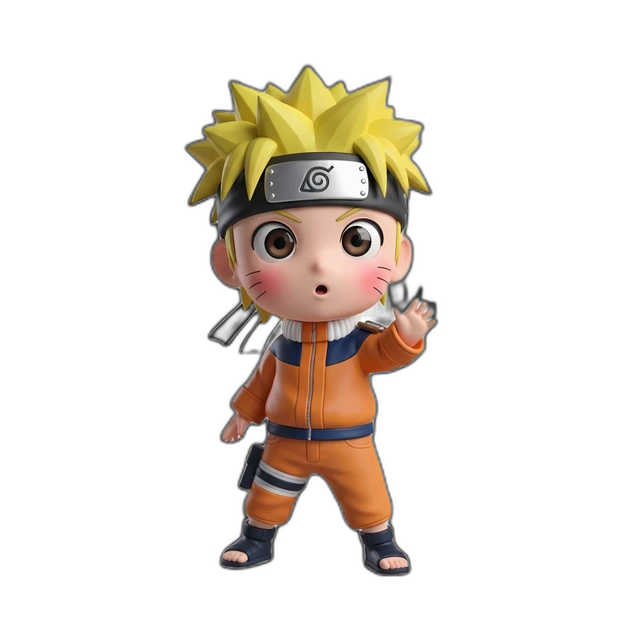
Naruto Uzumaki is the protagonist of the Naruto series and the most prominent living member of the Uzumaki clan. Born as the jinchuriki of the Nine-Tailed Fox, Naruto faced ostracism and loneliness throughout his childhood. Through sheer determination, an indomitable will, and his Uzumaki-born chakra reserves, he rose from being the village outcast to becoming the Seventh Hokage, the most powerful shinobi in history. His signature techniques include the Shadow Clone Jutsu, Rasengan, and Sage Mode, all powered by his immense Uzumaki vitality. Naruto's defining trait is his ability to befriend even his most bitter enemies, transforming hatred into understanding — a direct philosophical counter to the Curse of Hatred that plagued the Uchiha. His journey from hated orphan to beloved leader embodies the indomitable Uzumaki spirit.
Kushina Uzumaki
Kushina Uzumaki was the second jinchuriki of the Nine-Tailed Fox and mother of Naruto Uzumaki. Brought to Konohagakure as a child from Uzushiogakure, Kushina struggled with her temper and loneliness until she met Minato Namikaze, who accepted her for who she was. She mastered the Adamantine Sealing Chains, a technique powerful enough to restrain the full Nine-Tails, and trained under Mito Uzumaki to control Kurama. On the night of Naruto's birth, Obito attacked during her weakened state and extracted Kurama from her body. Despite suffering fatal injuries, Kushina's Uzumaki vitality allowed her to survive long enough to speak to her newborn son and entrust him with her final words of love and encouragement. Her fiery red hair and fierce temper became defining traits passed down to Naruto, and her unwavering love for her son continues to inspire him throughout his journey.
Mito Uzumaki
Mito Uzumaki was the wife of the First Hokage Hashirama Senju and the very first jinchuriki of the Nine-Tailed Fox. Her marriage to Hashirama sealed the alliance between Konohagakure and Uzushiogakure, and her Uzumaki bloodline made her the only suitable vessel capable of containing Kurama's malevolent chakra. Mito lived to an extremely old age, containing the Nine-Tails within her for decades before Kushina succeeded her as the next jinchuriki. During Kushina's training, Mito passed down her knowledge of Uzumaki sealing techniques and the burden of being a jinchuriki. She warned Kushina that a jinchuriki would always be vulnerable to love, as that emotional connection could be exploited to extract the tailed beast — a prophecy that tragically came true on the night of Naruto's birth. Mito's role established the precedent that only Uzumaki women should serve as Kurama's containers within Konoha.
Nagato Uzumaki
Nagato Uzumaki was an Uzumaki clan descendant born in Amegakure during the Third Great Ninja War. As a child, Nagato possessed chakra reserves so immense that he awakened the Rinnegan — the most powerful dojutsu in existence — a gift implanted by Madara Uchiha to serve as his eventual vessel for resurrection. Nagato's Uzumaki heritage granted him the vitality required to wield the Rinnegan's Six Paths techniques, which would have killed an ordinary shinobi. As the leader of the Akatsuki, Nagato operated under the alias Pain, controlling six corpses as his paths of Pain while his true body remained concealed. After Naruto defeated him and proved the power of understanding over hatred, Nagato used the Rinnegan's Outer Path — Samsara of Heavenly Life Technique to revive every person he had killed in the attack on Konoha, sacrificing his own life in the process. His redemption stands as one of the series' most powerful moments.
Karin Uzumaki
Karin Uzumaki was a kunoichi from Kusagakure with a quarter of Uzumaki blood. Her Uzumaki heritage granted her exceptional chakra sensing abilities and the capacity to heal others by letting them bite her flesh and absorb her chakra — an ability her mother also possessed and was exploited for by Kusagakure. Karin served as a member of Orochimaru's team before joining Sasuke's Hebi squad (later renamed Taka) alongside Suigetsu and Jugo. Her healing abilities saved Sasuke's life multiple times, and her chakra sensing allowed the team to track targets across vast distances. Karin's red hair, distinctive glasses, and sharp personality made her a memorable Uzumaki descendant, and her abilities demonstrated that even partial Uzumaki bloodlines carry traces of the clan's extraordinary vitality and unique powers.
# Clan Legacy & Influence
The Uzumaki clan's legacy permeates every level of the Naruto universe, from its foundational mythology to its contemporary politics. The jinchuriki system, upon which the entire balance of power among the Five Great Shinobi Countries depends, was made possible exclusively by Uzumaki physiology. Without Mito, Kushina, and ultimately Naruto serving as Kurama's containers, Konoha would never have possessed the strategic advantage of a tailed beast under direct village control. The Uzumaki clan's sealing techniques also underpin the stability of the tailed beasts themselves — the very seals that contain the biju within human hosts are derived from Uzumaki fuinjutsu. In this sense, the clan functioned as the invisible pillar supporting the entire geopolitical structure of the shinobi world.
The Uzumaki clan's most visible legacy is their clan symbol — the red spiral (uzumaki) that appears on the back of Konoha's standard flak jackets. This symbol, adopted to honor the alliance between the two villages, ensures that every Konoha shinobi who ever lived carries the Uzumaki crest into battle. The spiral pattern also appears on Naruto's own clothing, most notably on the back of his iconic orange jacket, serving as a constant visual reminder of his heritage. The clan's name itself is inextricably linked to the series title — "Naruto" is the name of a type of fishcake with a pink spiral pattern that appears in ramen, another nod to the whirlpool motif that defines the Uzumaki clan. This layered symbolism reflects how deeply the clan's identity is woven into the fabric of the series.
In the Boruto era, the Uzumaki legacy continues through Naruto's children, Boruto and Himawari Uzumaki. Boruto inherited his father's prodigious chakra and his mother's Hyuga dojutsu, becoming a unique hybrid of two of the strongest bloodlines in the shinobi world. Himawari demonstrated extraordinary power at a very young age, accidentally activating her Byakugan and one-shotting both Naruto and Kurama during a playful moment. The Uzumaki clan's future rests securely in the next generation, with Boruto's own journey taking him to heights that may eventually surpass even Naruto's achievements. As the series pivots to focus on Boruto's story, the Uzumaki name remains synonymous with the themes of perseverance, bonds, and hope that define the entire franchise — a fitting legacy for a clan whose name literally means "whirlpool," drawing all those around them into their orbit of influence.
# FAQ
What happened to the Uzumaki clan's original village Uzushiogakure?
Uzushiogakure, the Village Hidden in Eddies and home of the Uzumaki clan, was destroyed in a conflict with other great shinobi nations who feared the clan's unparalleled sealing jutsu. The survivors scattered across the ninja world as refugees, with some finding shelter in Konohagakure and other villages.
How are the Uzumaki and Senju clans related?
The Uzumaki and Senju clans are distant blood relatives, both tracing their lineage back to Ashura Otsutsuki, the younger son of Hagoromo Otsutsuki (the Sage of Six Paths). This shared ancestry explains both clans' exceptional physical vitality, large chakra reserves, and their leadership roles in the shinobi world.
Why are Uzumaki members chosen as jinchuriki?
Uzumaki members possess extraordinary vitality, immense chakra reserves, and unique physiological traits that allow them to safely contain tailed beasts. Ordinary shinobi would be overwhelmed and killed by a biju's malevolent chakra, but Uzumaki bodies can withstand and suppress the tailed beast's power, making them the ideal living containers.
What are the Adamantine Sealing Chains?
The Adamantine Sealing Chains (Kongo Fusa) are a signature Uzumaki bloodline technique manifested as chains forged from the user's life force. Kushina Uzumaki used them to restrain the full Nine-Tails, and Karin demonstrated a weaker version. The chains can bind targets, suppress chakra, and are particularly effective against tailed beasts.
Does the Uzumaki clan continue in the Boruto era?
Yes. Naruto Uzumaki serves as the Seventh Hokage, and his children Boruto and Himawari Uzumaki carry the clan's legacy forward. Boruto has demonstrated extraordinary abilities combining Uzumaki vitality and Hyuga dojutsu, while Himawari has shown immense latent power, ensuring the Uzumaki bloodline continues strong.