# Overview
The Akimichi, Nara, and Yamanaka clans form Konohagakure's most famous tri-clan alliance, bound together by a partnership that has endured for over sixteen generations. Unlike the noble clans whose power stems from unique dojutsu or bloodline limits, these three clans derive their strength from complementary specialization and generations of institutional cooperation. Together they form the Ino-Shika-Cho battle formation, named after the zodiac symbols of each clan: Inoshishi (boar) for the Yamanaka, Shika (deer) for the Nara, and Cho (butterfly) for the Akimichi.
The alliance predates the founding of Konohagakure itself, with records indicating the three clans maintained cooperative relationships during the Warring States Period. After the village system was established, this informal cooperation was institutionalized through Konoha's genin team assignment system, which deliberately places children from the three clans together each generation. This system ensures that the instinctual trust and coordination required for the Ino-Shika-Cho formation are preserved across generations. The alliance has proven remarkably durable, producing some of Konoha's most effective combat squads and contributing disproportionately to the village's military and intelligence capabilities.
The three clans' abilities form a perfect combat triangle. The Akimichi clan excels at raw offensive power through their Body Expansion techniques, serving as the formation's primary damage output. The Nara clan provides tactical control through Shadow Possession techniques, immobilizing enemies and controlling the flow of battle. The Yamanaka clan contributes intelligence gathering, telepathic communication, and psychological warfare through their Mind Transfer arts. This division of labor — damage, control, support — mirrors the classic squad composition taught in Konoha's Academy and has been validated through countless battles across multiple wars.
# Akimichi Clan: Caloric Combat
The Akimichi clan traces its lineage to Konoha's earliest history, though their exact origins remain less documented than the Senju or Uchiha. What distinguishes the Akimichi is their unique combat philosophy centered on the conversion of caloric energy into physical power. The clan's signature Body Expansion Jutsu (Baika no Jutsu) allows members to enlarge specific body parts or their entire body, with size directly proportional to their caloric reserves. This technique makes the Akimichi living siege weapons on the battlefield, capable of crushing enemies with giant fists, stomping them with colossal feet, or rolling through formations as a massive human bullet.
The Akimichi have developed several advanced applications of their core ability. The Spiked Human Bullet Tank technique adds chakra-enhanced spikes to the rolling form, turning the user into a devastating area-denial weapon. The Butterfly Mode represents the pinnacle of Akimichi achievement, converting stored calories into chakra wings that grant dramatically enhanced speed, strength, and flight capability. This transformation requires precise chakra control and immense caloric reserves, making it accessible only to the clan's most skilled members. Choji Akimichi's Butterfly Mode during his battle against the Akatsuki member Kakuzu demonstrated the technique's devastating potential, with Choji moving at speeds that even experienced jounin struggled to track.
The clan's contribution to Konoha extends beyond combat. The Akimichi run the village's primary food service establishments, including barbecue restaurants that serve as both legitimate businesses and intelligence-gathering posts. Their knowledge of nutrition and calorie optimization has made them experts in battlefield ration development, including the soldier pill system that sustains Konoha's military operations. The clan's philosophy — that food is both fuel and pleasure — reflects their belief that a well-fed shinobi is an effective shinobi, a principle that has served them well across generations.
# Nara Clan: Shadow Arts
The Nara clan's signature shadow techniques are among the most versatile abilities in the Naruto universe, offering both offensive and defensive applications limited only by the user's creativity and tactical intelligence. The core technique, Shadow Possession Jutsu (Kagemane no Jutsu), extends the user's shadow across the ground to connect with the target's shadow, forcing the target to mirror the user's movements. Once the shadow connection is established, the target cannot move independently unless their chakra greatly exceeds the user's. This technique is particularly effective in confined spaces where shadows are abundant and becomes increasingly difficult to counter at night or in dim lighting.
Advanced Nara techniques expand the basic concept in multiple directions. Shadow Binding immobilizes the target while freeing the user to attack or reposition independently. Shadow Sewing projects thin, needle-like shadow extensions that can pin targets from multiple directions simultaneously, useful for crowd control and area denial. The Shadow Gathering technique pulls in surrounding shadows to increase the user's shadow mass and range, enabling control over large battlefield sections. Shikamaru Nara's creativity with these techniques has produced tactical innovations that even his own clan had never documented — such as using shadow possession through a fishing line against the Sound Ninja Four, or combining shadow techniques with the natural environment to defeat the immortal Hidan.
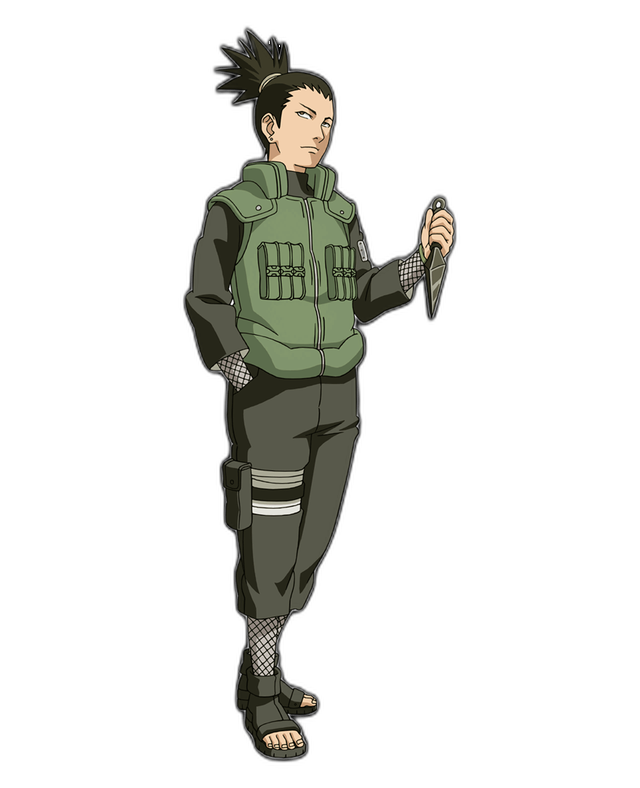
The Nara clan's intellectual tradition is inseparable from their combat techniques. The clan has produced some of Konoha's greatest strategic minds, with Shikaku Nara serving as the commander of the Allied Shinobi Forces during the Fourth Great Ninja War. His son Shikamaru, despite his famously lazy disposition, possesses an IQ over 200 and has consistently demonstrated tactical brilliance throughout his career. The Nara clan's deer-keeping facility on their ancestral estate serves both as a cultural tradition and practical training ground, where clan members develop the patience and observation skills essential for effective shadow technique mastery.
# Yamanaka Clan: Mind Arts
The Yamanaka clan specializes in techniques that manipulate consciousness, perception, and communication, making them Konoha's premier intelligence specialists. The Mind Transfer Jutsu (Shintenshin no Jutsu) allows the user to project their consciousness into a target's body, temporarily taking control of the target's actions. This technique is invaluable for covert operations, allowing Yamanaka operatives to extract intelligence directly from targets' minds or to neutralize threats without physical confrontation. The technique's primary limitation is the vulnerability of the user's vacant body — if it is damaged while their consciousness is absent, the consequences can be fatal.
The Yamanaka's broader technique portfolio makes them essential to Konoha's military infrastructure. The Mind Body Perception technique enables long-range telepathic communication and sensory sharing across an entire battlefield, allowing coordinated military operations at a scale impossible with verbal commands alone. During the Fourth Great Ninja War, Ino Yamanaka used this ability to link the consciousness of the entire Allied Shinobi Forces, enabling instantaneous tactical coordination across hundreds of miles. The Mind Body Transmission technique allows the user to implant thoughts or memories into a target, useful for psychological operations and covert influence missions. The Yamanaka can also detect and read surface thoughts from targets within range, making them formidable interrogators.
The Yamanaka family operates a flower shop in Konoha's commercial district, maintaining the clan's connection to civilian life while using the business as a front for intelligence operations. Ino Yamanaka, the clan's most prominent modern member, inherited her father Inoichi's position as head of Konoha's Intelligence Division after his death during the war. She has modernized the division's techniques and training methods while preserving the clan's traditions. Her son Inojin combines Yamanaka mind techniques with the artistic abilities inherited from his father Sai, demonstrating how the clan's abilities continue to evolve through cross-clan partnerships.
# Ino-Shika-Cho Combat Doctrine
The Ino-Shika-Cho formation's combat sequence is deceptively simple but devastatingly effective when executed by a well-trained team. The standard engagement begins with the Yamanaka member assessing the tactical situation and providing initial contact — either through mind transfer possession to neutralize a key threat or through telepathic communication to coordinate the team's approach. The Nara member then immobilizes the target using shadow possession, creating a stationary target while freeing the Akimichi member to deliver the finishing blow with overwhelming force. This three-step process — assess, immobilize, eliminate — has proven effective against opponents ranging from rogue ninja to tailed beasts.
The formation's true strength lies in its flexibility and adaptability. Each clan's techniques can be used independently or in combination, allowing the team to handle unexpected situations without deviating from their core combat doctrine. If the Yamanaka's mind transfer fails, the Nara can still immobilize the target directly. If shadows are unavailable, the Akimichi can engage directly while the Nara provides tactical support. The three Team 10 generations — Inoichi-Shikaku-Choza, Ino-Shikamaru-Choji, and Inojin-Shikadai-Chocho — each developed their own variations on the formation while preserving its essential character.
The formation's institutional continuity is maintained through Konoha's genin team assignment system, which deliberately places children from the three clans together each generation. This policy ensures that the instinctual trust and coordination required for the formation are developed from childhood. The three clans also maintain regular social and training interactions outside of formal team assignments, further strengthening the bonds that make the formation effective. The Ino-Shika-Cho is considered the gold standard for squad-based combat in Konoha, studied in the Academy and emulated by teams across the village.
# Clan Legacy & Influence
The combined influence of the Akimichi, Nara, and Yamanaka clans on Konoha's development is difficult to overstate. The Nara clan's strategic counsel has guided the village through three Great Ninja Wars and countless smaller conflicts. The Yamanaka clan's intelligence apparatus has protected Konoha from infiltration and subversion for generations. The Akimichi clan's food infrastructure and economic contributions have supported the village's growth and prosperity. Together, these three clans represent a model of institutional cooperation that has proven more durable and effective than the individual power of any single noble clan.
In the Boruto era, the alliance continues to thrive and evolve. Shikamaru Nara serves as Naruto Uzumaki's chief advisor, his tactical mind essential to navigating the complex political landscape of the modern shinobi world. Ino Yamanaka maintains Konoha's Intelligence Division while training the next generation of mind technique specialists. Choji Akimichi balances his duties as a jounin commander with family life and his barbecue restaurant business. The next generation — Inojin, Shikadai, and Chocho — have already demonstrated their potential as Team 10, preserving the Ino-Shika-Cho tradition while adding their own unique talents to the formation's repertoire.
The legacy of these three clans extends beyond Naruto's narrative into the broader anime community. The Ino-Shika-Cho formation has influenced squad composition design in other anime and games, serving as a template for complementary character design. The clans' distinctive techniques — body expansion, shadow manipulation, mind transfer — have become iconic representations of their respective combat archetypes. Academic analyses of the Naruto series frequently cite the three-clan alliance as an example of effective institutional design and inter-clan cooperation in fictional world-building.
# FAQ
What are the three clans' roles in the Ino-Shika-Cho formation?
Yamanaka provides intelligence and initial contact through mind techniques, Nara immobilizes targets using shadow possession, and Akimichi delivers the finishing blow with body expansion techniques. This creates a three-step combat loop: assess, immobilize, eliminate.
How long has the Akimichi-Nara-Yamanaka alliance existed?
The alliance has been maintained for at least sixteen documented generations, predating Konohagakure's founding. The genin team system institutionalized the partnership, placing children from the three clans together each generation.
What is the Akimichi clan's Butterfly Mode?
Butterfly Mode is the Akimichi's ultimate technique, converting stored calories into chakra wings that grant dramatically enhanced speed, strength, and flight. It requires precise chakra control and immense caloric reserves, accessible only to the clan's most skilled members.
Can Nara shadow techniques work without shadows?
Nara techniques require shadows to function, making bright, shadowless environments their primary vulnerability. However, advanced techniques like Shadow Gathering can pull in surrounding shadows, and creative users can create shadows using smoke, debris, or environmental manipulation.
What role does the Yamanaka clan play in Konoha's intelligence division?
The Yamanaka clan heads Konoha's Intelligence Division, using mind techniques for interrogation, telepathic communication, and sensory sharing across battlefields. Ino Yamanaka currently leads the division, continuing her father's legacy.